


What is Varithena?
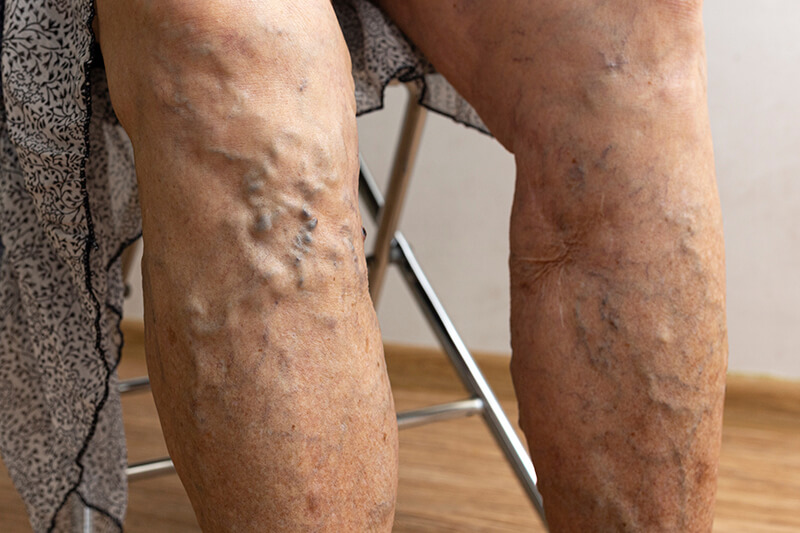
Varithena is a prescription microfoam (polidocanol injectable foam) that's injected directly into a diseased vein. The foam fills the vein and prompts it to collapse and seal. Unlike laser or radiofrequency, it uses no heat and no catheter.
Because it's a foam, it conforms to veins of nearly any size and shape, even twisting ones. It can also treat segments above and below the knee. Once the faulty vein is sealed, your body reroutes blood to healthy veins. There's no vein stripping and no general anesthesia.
A microfoam, not a catheter
Conforms to the vein
A quick, in-office visit

What sets microfoam apart
Why our physicians reach for it when other methods fall short.
Reaches winding veins
No heat, no tumescent anesthesia
Treats above and below the knee
Relief you can see and feel
How Varithena works, step by step
A quick, in-office procedure done through just a needle stick or two.
Map the vein
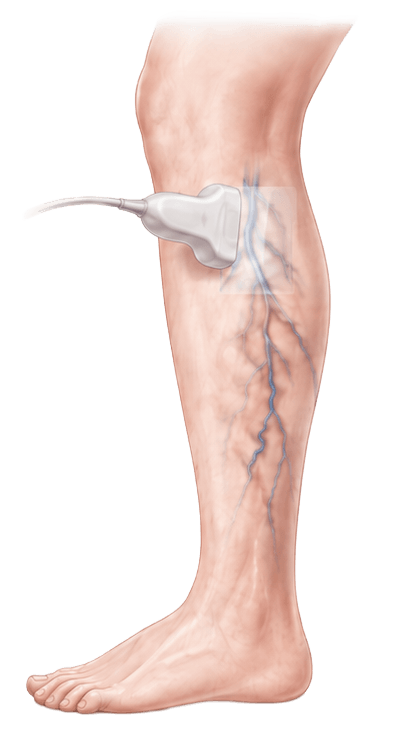
Your specialist uses ultrasound to locate the diseased veins and plan exactly where to treat, so the foam goes only where it's needed.
A small needle stick
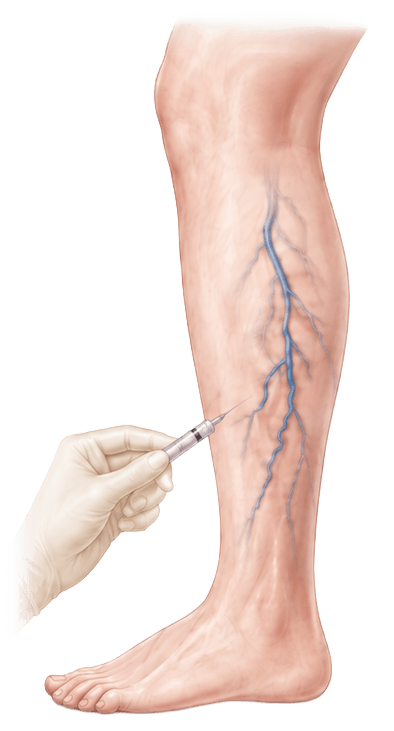
The treatment takes as few as one or two needle sticks. No catheter is threaded up the leg and no heat is used.
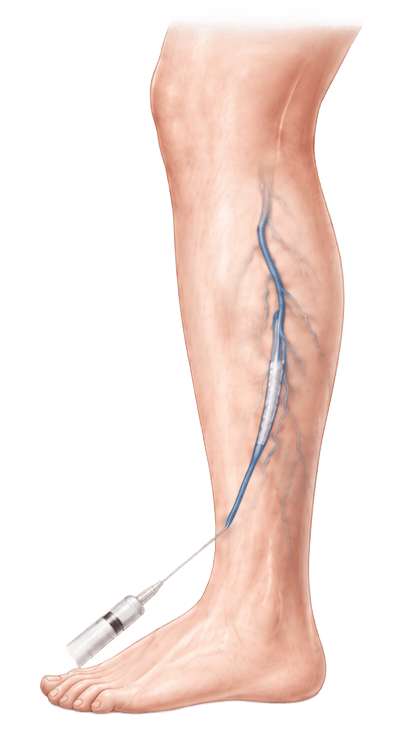
Deliver the microfoam
The polidocanol microfoam is injected and fills the vein, pushing the blood aside so the foam touches the vein wall evenly. The vein then reacts and collapses.
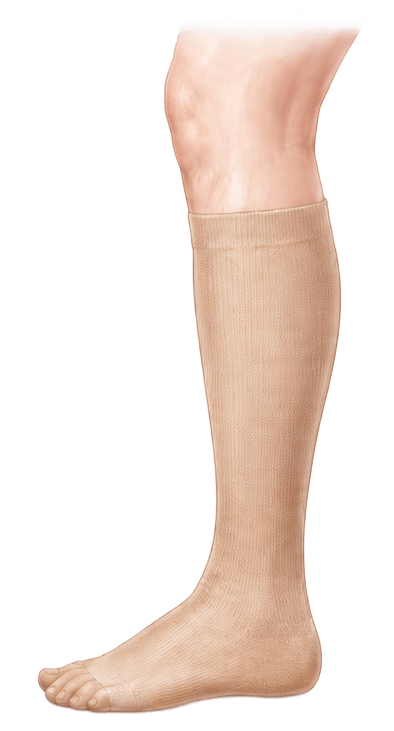
Compression and walk
A compression stocking goes on and gentle walking is encouraged. Over time your body absorbs the closed vein and blood reroutes to healthy ones.
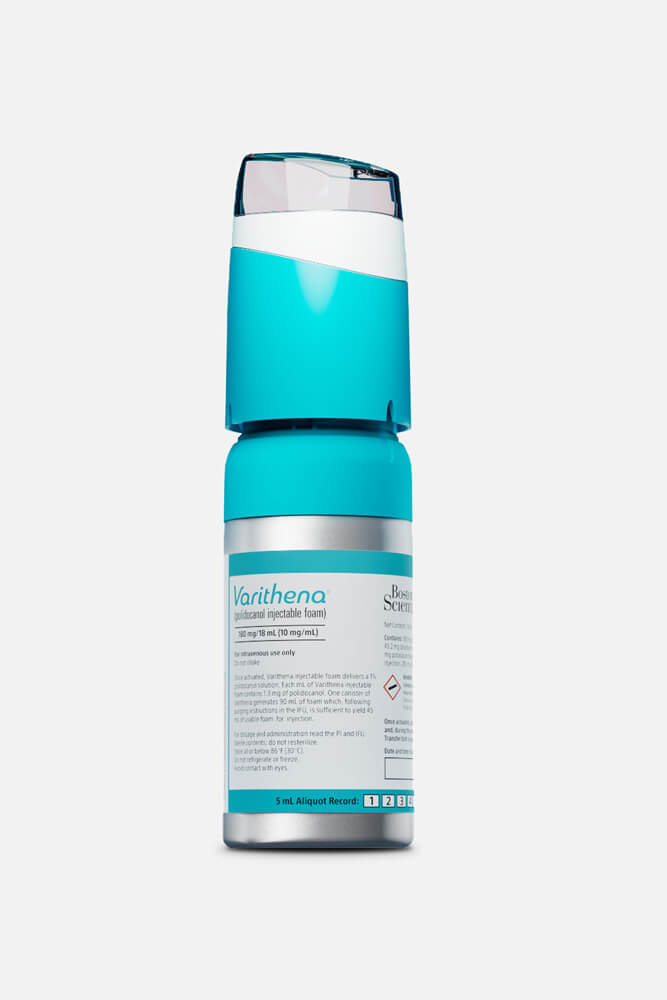
The technology
What the microfoam actually does
As the foam enters the vein, it displaces the blood and spreads along the vein wall, making even contact wherever the vein twists or branches. That contact prompts the vein to spasm and collapse. The diseased vein is sealed and gradually absorbed by your body, while healthy circulation carries on as normal.
The results, in numbers
Varithena is an FDA-approved microfoam made to be gentle, fast, and minimally invasive.
of patients reported injection-site pain in clinical trials
Most Varithena treatments are completed in under an hour
The year Varithena was FDA-approved for varicose veins of the great saphenous vein (GSV)
Source: Boston Scientific, the manufacturer of Varithena™ (polidocanol injectable foam) 1%. Clinical-trial injection-site pain figure and treatment details per the manufacturer's prescribing information. Individual results vary.
See real results
With 5,000+ vein cases treated at Empire Vein & Vascular, here are real outcomes from patients we’ve treated.
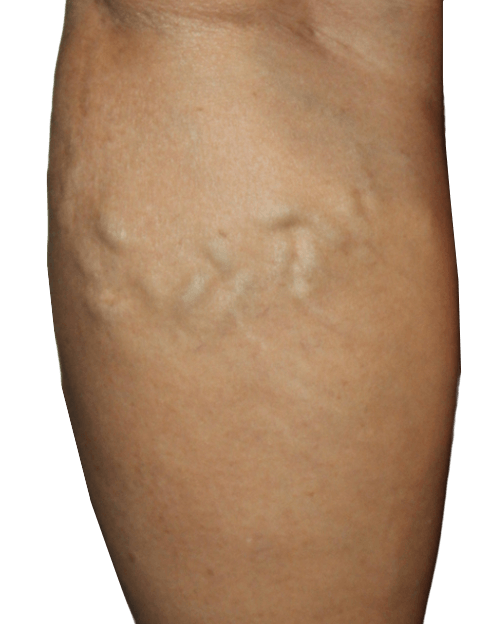
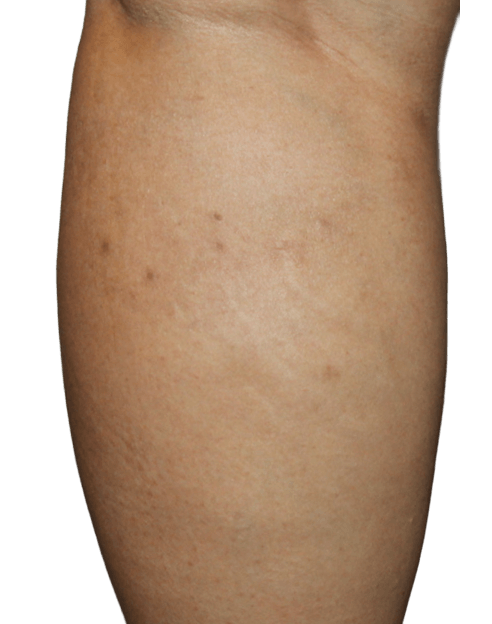
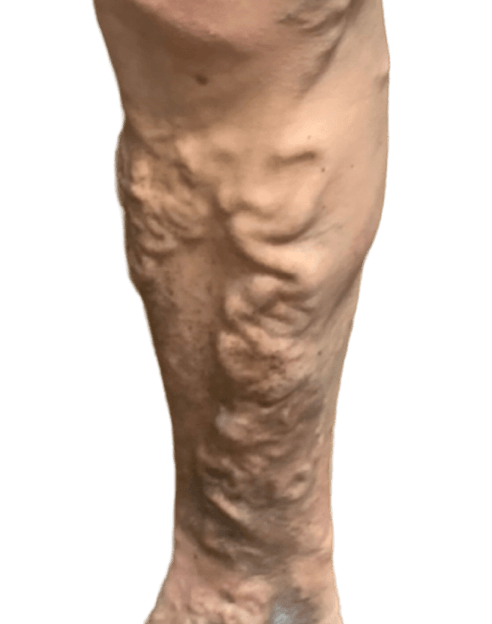
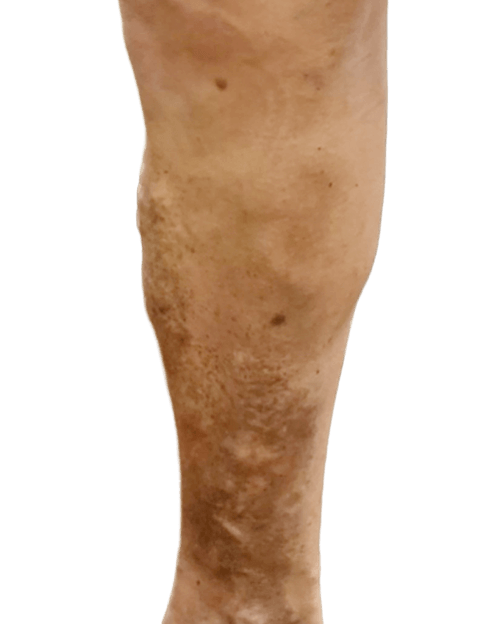
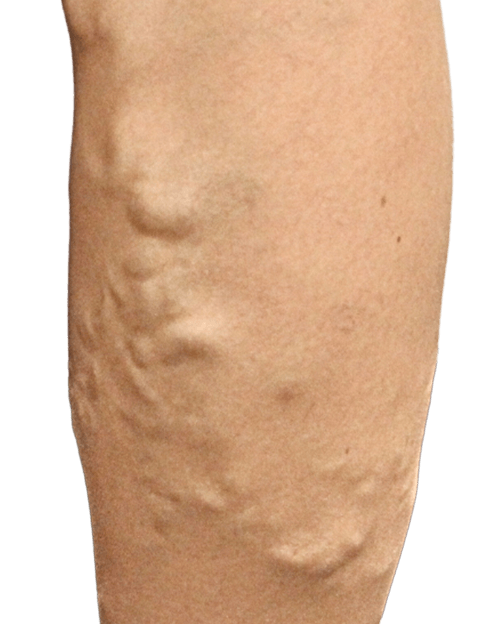
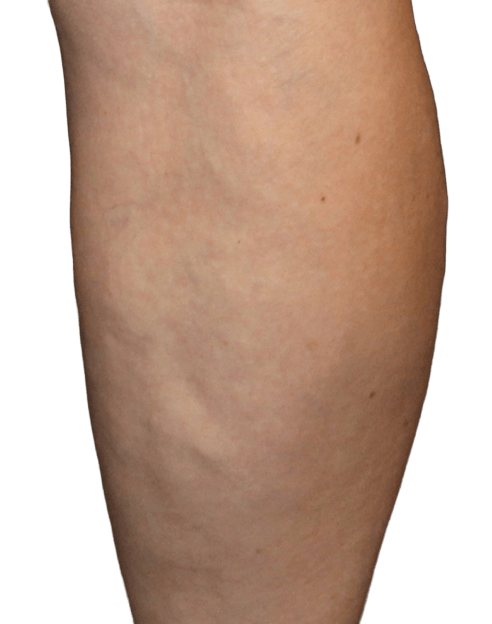
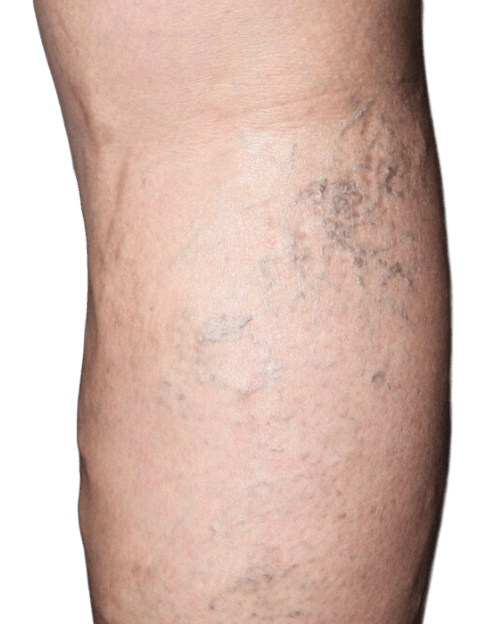
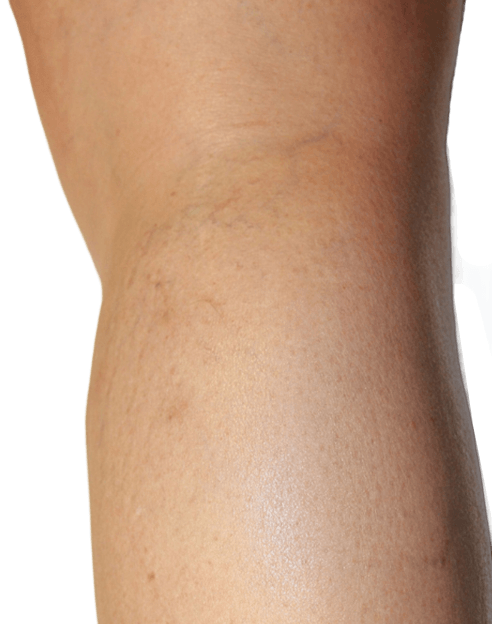
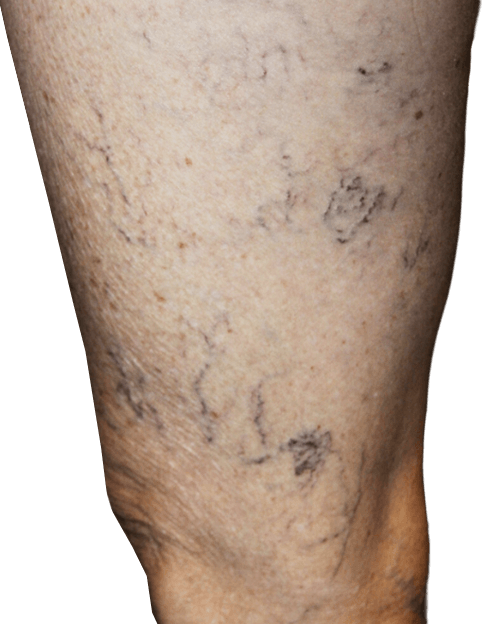
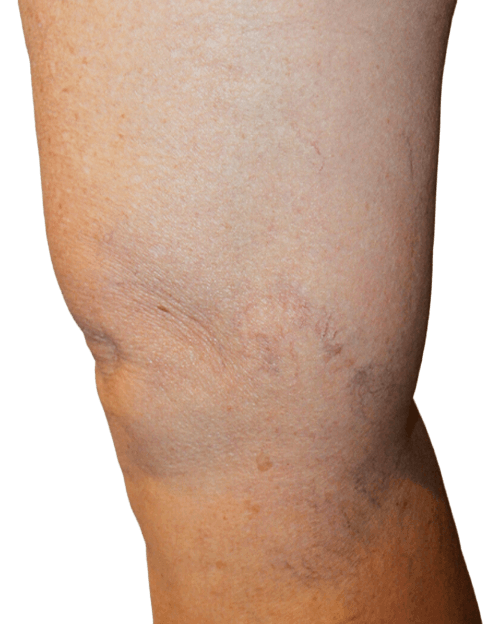
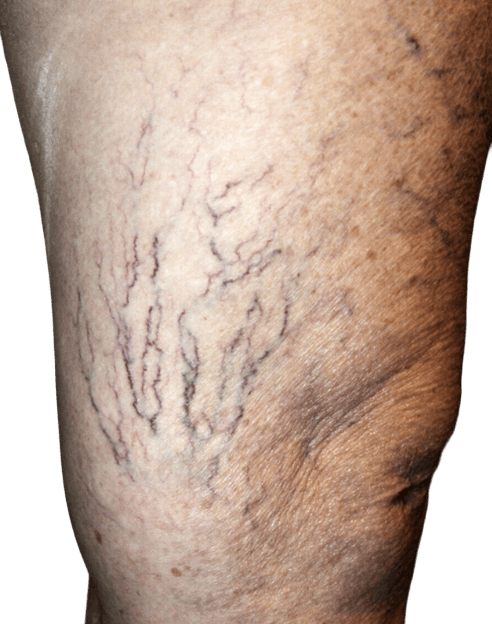
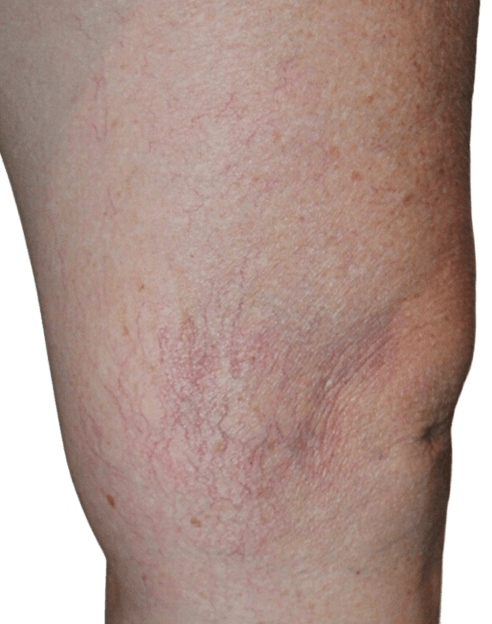
Photos of actual Empire Vein & Vascular patients. Individual results vary.
What recovery actually looks like
Most people are back to everyday life right away. Here's the typical timeline after a Varithena treatment.

Day of
Walk out and go
Most patients return to normal, everyday activity the same day. No hospital stay and no overnight recovery.

First few days
Wear compression
A compression stocking is typically worn for a short period to support healing while you stay active and keep walking.

First few weeks
Symptoms start to ease
As the treated vein seals and blood reroutes to healthy veins, the aching, heaviness, and swelling typically improve.

Over time
Veins fade
Your body gradually absorbs the closed vein, and both the feel and the look of your legs continue to improve.
Every patient heals differently and individual results vary. Your physician will give you aftercare instructions tailored to you.
How to prepare for your visit
Before treatment you'll have an ultrasound mapping exam of the leg, which lets your specialist plan exactly where to place the foam. Come ready to share your medical history and current medications, and mention any vein treatments you've had before or any history of blood clots.
Wear comfortable clothes
Eat and take meds as usual
Plan a little extra time
Varithena questions, answered
The things patients ask us most before getting started.
Most patients find Varithena nearly painless. In clinical trials, only 4.0% of patients reported pain at the injection site. Because it's a microfoam, there's no heat, and you skip the series of numbing injections that heat-based treatments require.
Laser (EVLT) and radiofrequency (ClosureFast) use heat delivered through a catheter to seal the vein. Varithena uses a gentle microfoam instead. Because it's a foam, it flows into veins of nearly any size or shape, including twisted veins and segments above and below the knee that a catheter can't easily reach.
Many patients are treated in a single session, though some need more than one depending on how extensive the veins are. Your doctor maps your veins with ultrasound first and tells you what to expect before you begin.
Most people walk out and return to normal activity the same day with little to no downtime. You'll wear compression for a short period and your doctor will encourage regular walking and a short break from strenuous activity.
Varithena is covered by most Medicare and insurance plans when treatment is medically necessary. Once your screening confirms it's the right fit, we handle the benefits check and walk you through any costs before scheduling.
You should not be treated with Varithena if you are allergic to polidocanol or have blood clots in your blood vessels. Tell your doctor about your full medical history, including any history of clots, so they can confirm it's the right option for you.
See if Varithena is right for you.
Start with a free vein screening: a quick visit, clear answers, and a plan at any of our 6 Southern California offices.