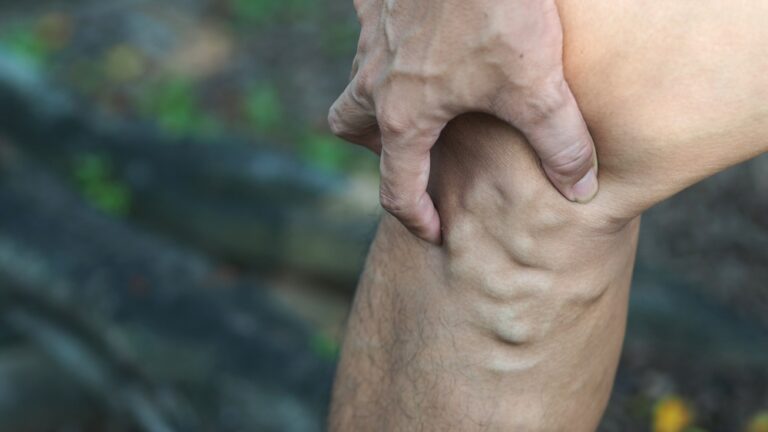


Los medicamentos GLP-1 se usan mucho para la diabetes tipo 2 y el control del peso. Conforme más personas los usan, las preguntas sobre los GLP-1 y las várices son cada vez más comunes. ¿Bajar de peso reduce la presión en las venas? ¿Los cambios rápidos de peso pueden hacer que se noten más las venas que ya están ahí? ¿Estos medicamentos afectan el riesgo de un coágulo? Las respuestas no siempre son sencillas.
¿Los medicamentos GLP-1 pueden ayudar o dañar sus venas?
Bajar de peso puede favorecer una circulación más sana y reducir algunos factores de riesgo de la enfermedad venosa. Los medicamentos GLP-1 pueden afectar la salud de sus venas de forma indirecta, a través de la pérdida de peso, un mejor control del azúcar en la sangre y cambios en la circulación. Sin embargo, no pueden reparar las válvulas dañadas de las venas ni hacer que desaparezcan las várices que ya tiene.
Cómo afectan su cuerpo los medicamentos GLP-1
Los medicamentos GLP-1 actúan como una hormona que su cuerpo produce de forma natural después de comer. Ayudan a regular el azúcar en la sangre, hacen más lenta la digestión y reducen el apetito. En algunas personas, esto puede llevar a una pérdida de peso importante. Estos medicamentos incluyen la semaglutida y la tirzepatida. Quizá reconozca marcas como Ozempic®, Wegovy®y Zepbound®. [3]
Bajar el peso de más puede reducir la presión en las venas de sus piernas. La obesidad es un factor de riesgo conocido de várices porque el peso de más puede dificultar que la sangre suba hacia el corazón. También puede contribuir a la inflamación, la movilidad limitada, la diabetes, la presión alta y otras condiciones que afectan la salud vascular.
Para algunas personas, los medicamentos GLP-1 también pueden ofrecer beneficios cardiovasculares más allá de la pérdida de peso. En 2025, en el estudio STRIDE, la semaglutida mejoró la distancia caminada, los síntomas y la calidad de vida en adultos con diabetes tipo 2 y enfermedad arterial periférica (EAP) durante 52 semanas, en comparación con un placebo. Estas mejoras se vieron en distintos niveles de peso inicial y de azúcar en la sangre, lo que sugiere beneficios más allá de la pérdida de peso o del control del azúcar por sí solos. [2]
La EAP afecta sus arterias, mientras que las várices afectan sus venas. Con el tiempo, el azúcar alta en la sangre por la diabetes puede dañar los vasos sanguíneos y facilitar que se acumule placa en las arterias, lo que aumenta el riesgo de EAP. Aunque los medicamentos GLP-1 no tratan las várices directamente, bajar de peso y controlar el azúcar en la sangre ayuda a su circulación en general.
¿Los medicamentos GLP-1 pueden afectar los síntomas de la artritis?
Los GLP-1 también se están evaluando por sus efectos en la salud de las articulaciones. Durante 68 semanas, en el estudio STEP 9, la semaglutida redujo el dolor de rodilla y mejoró la función física en adultos con obesidad y osteoartritis de rodilla. Menos dolor en las articulaciones puede hacer que caminar sea más fácil. Cuando camina, los músculos de la pantorrilla se contraen y ayudan a empujar la sangre de regreso hacia el corazón, lo que mejora la circulación de las piernas. Sin embargo, el estudio STEP 9 no evaluó el flujo de la sangre, y los medicamentos GLP-1 no están aprobados para la artritis. [5]
¿Bajar de peso puede mejorar las várices?
La relación entre bajar de peso y las várices tiene que ver sobre todo con la presión, el movimiento y el control de los síntomas.
Llegar a un peso más saludable puede reducir la presión en las venas y facilitar la actividad física. Al caminar se activan los músculos de la pantorrilla, que ayudan a empujar la sangre fuera de las piernas y hacia el corazón. Por eso, bajar de peso puede ayudar a reducir la hinchazón, la pesadez, el cansancio y las molestias en algunas personas.
Bajar de peso puede ayudar a evitar que los síntomas empeoren y a reducir el riesgo de que aparezcan venas nuevas. Sin embargo, por lo general no elimina las várices que ya están ahí.
Las várices se forman cuando las paredes de las venas o sus válvulas de una sola vía se debilitan o se dañan. Entonces la sangre se acumula en la vena y hace que se agrande, se tuerza o se abulte. Una vez que ocurre ese daño, bajar de peso no puede devolverle a las válvulas su funcionamiento normal.
La relación entre las várices y la pérdida de peso también tiene que ver con la apariencia. Después de bajar mucho de peso, puede haber menos tejido cubriendo las venas. Por eso, las venas que ya estaban ahí pueden verse más marcadas, aunque la enfermedad venosa de fondo no haya empeorado.
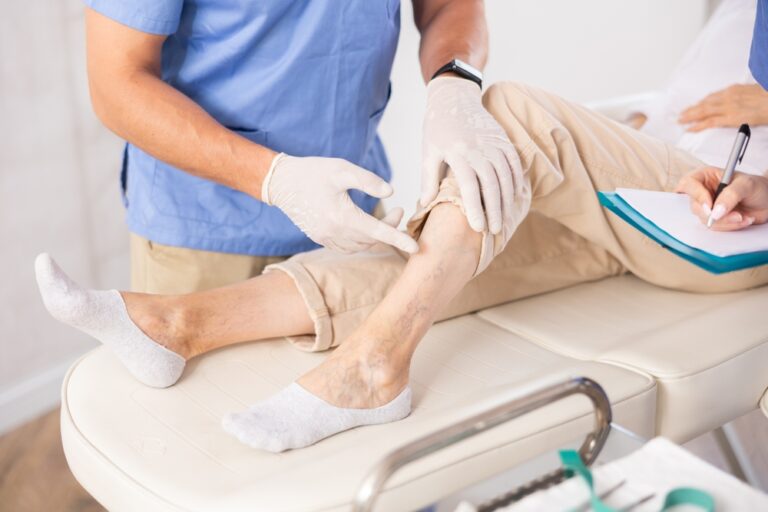
Las personas que notan várices después de bajar de peso no deben suponer que el medicamento las provocó. Puede que las venas ya estuvieran ahí, solo que menos visibles. Un especialista vascular puede usar un ultrasonido para revisar si hay insuficiencia venosa y determinar si el tratamiento es adecuado.
¿Los medicamentos GLP-1 aumentan el riesgo de coágulos?
Entonces, ¿Ozempic causa TVP? La respuesta corta es que la investigación no ha comprobado una relación directa, y el panorama completo todavía sigue cambiando. Las preocupaciones sobre la trombosis venosa profunda (TVP), un coágulo que se forma en una vena profunda, por lo general en las piernas, son comprensibles. Cuando se forma un coágulo en una vena profunda de la pierna, puede desprenderse y viajar a los pulmones, causando una embolia pulmonar, que es una condición muy grave.
A revisión sistemática de 2025 analizó 39 estudios aleatorizados con más de 70,000 participantes. En general, los investigadores no encontraron un aumento importante de coágulos. Sin embargo, un análisis más detallado mostró una tasa ligeramente más alta de TVP entre las personas que toman medicamentos GLP-1. Señalaron que estos casos siguen siendo raros y que se necesita más investigación. [4]
La deshidratación (por náuseas, vómito o diarrea) y la falta de actividad (por cansancio o enfermedad) aumentan el riesgo de coágulos porque permiten que la sangre se acumule. Otros factores de riesgo importantes de TVP son la obesidad, fumar, haber tenido coágulos antes, las cirugías, el cáncer, el embarazo y otras condiciones médicas de fondo.
Comuníquese pronto con un profesional médico si le aparece hinchazón, calor, enrojecimiento o dolor nuevo en una sola pierna. El dolor en el pecho, la falta de aire repentina, toser sangre o desmayarse requieren atención médica de emergencia.
Lo que debe saber sobre las arañitas después de bajar de peso
Las venas de araña son más pequeñas que las várices. Por lo general se ven como líneas delgadas rojas, azules o moradas cerca de la superficie de la piel.
En la mayoría de los casos, las arañitas no suelen desaparecer al bajar de peso. Controlar el peso puede mejorar la circulación y reducir la presión en las piernas, pero no elimina los vasos sanguíneos que ya se hicieron visibles.
Las venas de araña pueden notarse más después de bajar de peso rápido o de bajar mucho de peso, porque hay menos tejido debajo de la piel. La genética, la edad, el embarazo, las hormonas, estar de pie por mucho tiempo y el daño previo en las venas también pueden contribuir a que aparezcan.
Algunas arañitas son sobre todo una preocupación estética. Otras aparecen junto con insuficiencia venosa. Esto es más probable cuando vienen acompañadas de dolor, hinchazón, pesadez, cambios en la piel o várices más grandes.
Cuándo ver a un especialista en venas por sus síntomas
Agende una evaluación si tiene:
- Dolor o calambres
- Pesadez
- Hinchazón
- Fatiga
- Piernas inquietas
- Cambios en la piel
- Heridas abiertas o llagas
- Várices o arañitas visibles en las piernas
Estos síntomas pueden indicar insuficiencia venosa, aun cuando las venas no se vean tan mal. Un especialista en venas puede examinar sus piernas y usar imágenes de ultrasonido para evaluar el flujo de la sangre y el funcionamiento de las válvulas.
En Empire Vein & Vascular Specialists, nuestros especialistas certificados por el consejo médico ofrecen una revisión de venas gratis sin importar si tiene seguro o no. Esta visita breve e informal incluye un estudio de ultrasonido y una plática personal sobre sus síntomas.
Si se recomienda tratamiento, le damos un plan personalizado con precios claros desde el principio, para que nunca haya sorpresas en su cuenta. Como el proveedor más grande del país de VenaSeal™, nos especializamos en procedimientos avanzados y mínimamente invasivos que se realizan en menos de 30 minutos y con poco o nada de tiempo de recuperación. Aceptamos la mayoría de los planes de seguro, incluyendo Medicare, la mayoría de los PPO y HMO, e IEHP.
No deje sin atender las venas visibles ni las molestias en las piernas mientras se enfoca en sus metas de peso. Llámenos hoy al 1.800.VARICOSE (1-800-827-4267) o visítenos en línea para ver cómo le podemos ayudar.
[1] https://www.ncbi.nlm.nih.gov/books/NBK551568/
[2] https://pubmed.ncbi.nlm.nih.gov/40169145/
[3] https://medlineplus.gov/ency/article/007853.htm
[4] https://pubmed.ncbi.nlm.nih.gov/40314346/
[5] https://www.nejm.org/doi/abs/10.1056/NEJMoa2403664