

Good circulation is essential to your overall health. Blood carries oxygen and nutrients throughout the body, removes waste products, and supports the function of every organ. When blood flow is compromised, even in small ways, the body begins to send out warning signals. Recognizing these signs of poor circulation is important because the earlier you seek treatment, the more effective it can be.
10 Common Symptoms of Poor Circulation in the Legs and Feet
The legs and feet are especially vulnerable to circulation problems because blood must fight gravity to return to the heart. When something interferes with that process, whether narrowed arteries, weakened vein valves, or blood clots, the result is often visible or painful changes in the lower body. Below are the most common signs of poor blood circulation that you should never ignore.
1. Aching or cramping
One of the most common poor circulation symptoms is an aching or cramping sensation in the legs when walking, climbing stairs, or standing. Known as intermittent claudication, this symptom signals that muscles aren’t getting enough oxygenated blood during activity and typically subsides with rest. Claudication may be mild at first but can become disabling if circulation worsens.
2. Numbness or tingling in the feet
Tingling, “pins and needles,” or numbness in the lower legs and feet reflects poor nerve function triggered by decreased blood supply. Diabetic patients are especially prone to this issue, which raises the risk of injuries and infections that may go unnoticed.
3. Swelling
Swelling, or edema, develops when fluid collects in the tissues due to weakened vein valves or slow blood return. This poor leg circulation symptom can make shoes feel tight, legs feel heavy, and increase discomfort with activity, especially at the end of the day.
4. Cold hands and feet
Chronically cold feet or toes signal that blood is not reaching these areas as efficiently as it should. When compared side-by-side, one foot may feel noticeably colder, a classic “sign of poor blood circulation.”
5. Slow-healing wounds or sores
Cuts, scrapes, and sores on the feet or lower legs that don’t heal within a reasonable time frame are a major red flag for circulation problems. Poor delivery of oxygen and nutrients slows tissue repair and can escalate the risk of infections, ulceration, and even tissue death if not corrected.
6. Skin changes
Skin may turn pale, bluish, or reddish if circulation is compromised, a warning sign often visible around the ankles, toes, or lower legs. Over time, affected areas may show shiny or thin skin, increased fragility, or unusual discoloration.
7. Leg fatigue and heaviness
Persistent sensations of tiredness, heaviness, or a deep ache, especially after standing or sitting, are hallmarks of poor leg circulation. Many patients with venous insufficiency describe legs that feel “weighted down,” and find relief by elevating their feet.
8. Restless legs or nighttime discomfort
Cramping, throbbing, or anxious sensations at night can keep patients awake, especially if varicose veins or chronic vein disease are present. These symptoms often signal ongoing circulatory stress that merits expert assessment.
9. Visible varicose or spider veins on the legs
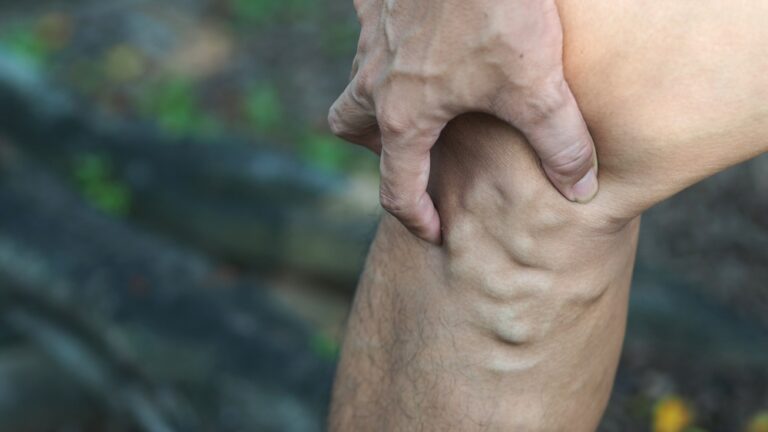
Twisted, bulging veins, often accompanied by discomfort, itching, or burning, are not merely a cosmetic concern. Visible varicose veins on the legs are a signature sign of chronic venous insufficiency and poor circulation symptoms, especially in older adults.
10. Hair loss or weak nails on the legs and feet
Diminished blood supply interferes with hair and nail growth. Patchy hair loss, slower-growing toenails, or brittle, unhealthy nails may appear in areas where circulation is weakest, often long before more serious symptoms develop.
How Poor Circulation Can Affect Overall Health
Poor circulation does not stay confined to the legs. Because the circulatory system supplies every organ, vascular problems can affect your whole body.
- Energy and stamina: Reduced blood flow can cause fatigue, making it harder to keep up with work, exercise, or daily routines.
- Brain function: Poor circulation may affect memory, focus, and concentration.
- Digestive health: Blood is needed to keep the intestines working efficiently. Reduced flow may cause cramping or irregularity.
- Heart and kidney strain: Over time, untreated circulation problems increase the risk of heart disease, kidney disease, and stroke.
What causes poor circulation?
There are many underlying causes of circulation issues, including:
- Venous insufficiency: Weak or damaged valves in the leg veins
- Peripheral artery disease (PAD): Arteries narrowed by plaque buildup
- Blood clots (DVT): Clots blocking normal blood flow in the deep veins
- Diabetes and obesity: Conditions that damage blood vessels
- Smoking: Accelerates arterial damage
- High blood pressure: Puts extra strain on vessel walls
Identifying the cause of your circulation problems is the first step to effective treatment.
When Circulation Problems Require Medical Care
Some signs of poor circulation may seem minor at first, but waiting too long to get evaluated can allow the condition to worsen.
Seek medical attention if you notice:
- Swelling that doesn’t improve with rest or elevation
- Leg pain or cramping that limits walking distance
- Sores or wounds that do not heal
- Skin color changes in your legs or feet
- Varicose veins causing pain or discomfort
In urgent cases, such as sudden chest pain, shortness of breath, or severe swelling in one leg, seek emergency care immediately, as these can indicate a blood clot.
Treatment Options for Poor Circulation
Lifestyle changes, such as regular exercise, a balanced diet, and wearing snug compression stockings, can help support healthier circulation. However, when circulation problems are more advanced, minimally invasive medical treatments are often the best way to restore proper blood flow and relieve symptoms.
PAD treatments
For patients with PAD, several minimally invasive endovascular procedures can restore blood flow and reduce symptoms:
- Atherectomy: A catheter-based procedure that removes plaque from narrowed arteries to restore circulation.
- Shockwave therapy (intravascular lithotripsy): Uses sonic pressure waves to break up hardened calcium deposits in the artery walls, making it easier to reopen blocked vessels.
- Angioplasty: A small balloon is inserted into the narrowed artery and gently inflated to widen the vessel and improve blood flow.
- Stent placement: A tiny mesh tube may be placed in the artery to keep it open after angioplasty, ensuring long-term circulation improvements.
These advanced, minimally invasive treatments avoid the need for open surgery and typically allow patients to return home the same day.
Vein treatments
When circulation issues are caused by diseased veins, innovative solutions are available:
- VenaSeal™ closure system: This procedure uses a specially formulated medical adhesive to gently seal faulty veins, redirecting blood flow to healthier veins without the need for heat or multiple needle sticks.
By addressing the root cause of venous or arterial disease directly, these treatments help reduce discomfort, prevent complications, and restore quality of life.
Take the Next Step
Ignoring the early warning signs of poor circulation, such as swelling, pain, cold feet, or slow-healing wounds, can put your health at risk. Getting evaluated early makes treatment more effective and helps you avoid serious complications.
At Empire Vein & Vascular Specialists, we make it simple to get the care you need:
- Experienced providers: Board-certified vascular specialists lead every clinic.
- Largest provider of VenaSeal™: Patients benefit from our extensive experience with this innovative, minimally invasive treatment.
- Insurance-friendly: We accept Medicare, PPOs, HMOs, and IEHP, and provide upfront cost information so there are no surprises.
- Convenient access: With multiple Southern California locations, expert care is always nearby.
- Free vein screening: Available to all patients, regardless of insurance status.
Don’t let poor circulation hold you back. Call 1.800.VARICOSE (1-800-827-4267) or visit our website to schedule your appointment today.