

Leg discomfort, ranging from aching and heaviness to an uncontrollable urge to move, can disrupt your sleep and diminish your overall well-being. These symptoms are often shared by vein disease and Restless Legs Syndrome (RLS), leading many to wonder: “Can varicose veins cause restless legs syndrome?”
While restless legs and varicose veins are distinct, one rooted in circulation and the other in the nervous system, they frequently mimic each other. Understanding what is keeping you up at night is the essential first step toward finding relief.
How Vein Disease and Restless Leg Syndrome Are Often Confused
In the United States, chronic venous disease impacts an estimated 190 million adults, nearly 40% of the population, while RLS affects roughly 7% to 8%. Since both conditions can cause nighttime pain and heavy, tired legs, it can be hard to tell if the problem is in your veins or your nervous system. Even though the causes are very different, the symptoms are so similar that you need a professional evaluation to get the right diagnosis and treatment. [1] [2]
What Is Restless Leg Syndrome?
Restless leg syndrome is a neurological condition marked by a persistent urge to move the legs, typically during rest or in the evening. Sensations are often described as crawling, tingling, or throbbing beneath the skin, with temporary relief occurring through movement.
Although the exact cause is not always known, RLS is commonly associated with genetic factors, dopamine imbalance, and iron deficiency. It may also occur alongside certain medications, pregnancy, kidney disease, or peripheral neuropathy. [3]
What Is Vein Disease?
Vein disease develops when valves inside the veins weaken, allowing blood to flow backward and pool in the lower legs. This is a condition known as chronic venous insufficiency (CVI). The resulting pressure can lead to inflammation, reduced circulation, and progressively worsening symptoms if left untreated.
While CVI is the most common diagnosis, vein disease is a broad category. It covers everything from small spider veins to more advanced circulation issues, affecting different veins in different ways.
Other types of venous disease include:
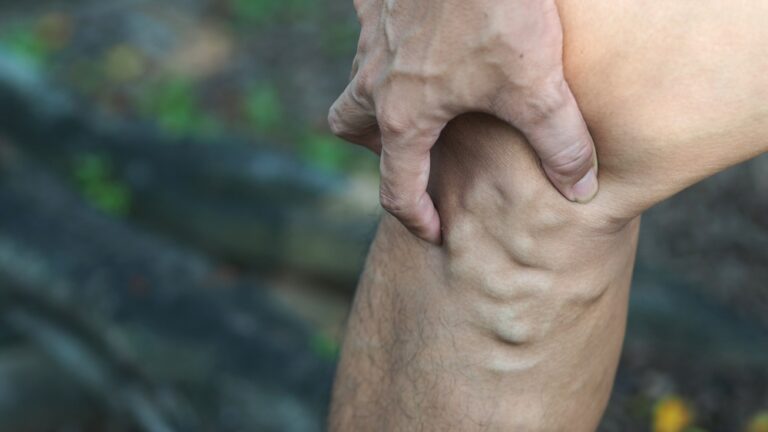
- Varicose veins and spider veins: Enlarged or visible veins caused by weakened vein walls and poor circulation.
Deep vein thrombosis (DVT): A blood clot that forms in a deep vein, most often in the leg. - Superficial thrombophlebitis: A clot in a vein near the surface of the skin that can cause pain and tenderness.
- Venous ulcers: Slow-healing wounds that may develop when long-term circulation problems damage the skin.
- Arteriovenous fistulas: Abnormal connections between arteries and veins that disrupt normal blood flow.
While vein conditions vary in severity, most stem from the same root cause: impaired circulation. This buildup of pressure can trigger aching, restlessness, and nighttime discomfort, symptoms so similar to RLS that the two are frequently confused.
Key Symptom Differences Between Vein Disease and Restless Leg Syndrome
Because RLS and vein disease can create similar discomfort, understanding how their symptoms differ can help you recognize when it may be time to seek a professional evaluation.
Symptoms commonly associated with vein disease:
Because RLS and vein disease can present with overlapping symptoms, recognizing the distinguishing features of each condition is important.
- Aching or cramping
- Heaviness
- Swelling
- Fatigue
- Restless legs
- Skin changes
- Open wounds or sores
- Visible varicose or spider veins on the legs
Symptoms often worsen after prolonged standing or sitting and may improve when the legs are elevated.
Symptoms more typical of restless leg syndrome:
- Strong urge to move the legs
- Sensations described as crawling, itching, or pulling
- Symptoms triggered by inactivity
- Temporary relief with movement
- Greater intensity during evening hours
While these differences can provide helpful clues, only a proper evaluation can determine whether symptoms are related to vein disease, restless leg syndrome, or another underlying condition.
How Varicose Veins Can Trigger Restless Leg–Like Symptoms
While RLS is a neurological disorder, untreated venous insufficiency can trigger or worsen nearly identical symptoms. Because the aching, itching, and urge to move are so similar, the two conditions are frequently confused.
When blood pools due to faulty valves, a condition known as venous stasis, the buildup of metabolic waste and inflammation irritates local nerves. This irritation signals the brain with tingling or itching sensations, creating that overwhelming need to move.
Poor circulation also contributes to nighttime leg cramps. These symptoms, often mistaken for RLS, underscore the importance of evaluating venous health to relieve nocturnal leg discomfort. [4]
Modern treatment options for vein disease
Today’s vein treatments focus on correcting the underlying circulation problem rather than simply managing symptoms. By closing the diseased vein, blood is naturally redirected to healthier veins, helping restore more efficient circulation and reduce discomfort.
Common minimally invasive approaches include:
- VenaSeal™: Uses a specialized medical adhesive to seal the affected vein. This treatment typically requires little to no downtime and does not use heat, so fewer injections may be needed.
- ClosureFast™: Uses controlled radiofrequency heat to close the diseased vein. Local anesthetic is given along the vein, and most patients can return to normal routines quickly.
- Sclerotherapy: Involves injecting a solution directly into the problem vein, causing it to collapse and gradually be absorbed by the body. It is often recommended for smaller varicose or spider veins.
- Compression therapy: Properly fitted, snug compression stockings can reduce swelling and may ease restless legs while you’re deciding on or waiting for other treatments.
These procedures are typically completed in under 30 minutes, involve little to no downtime, and help many patients resume daily activities with minimal disruption.
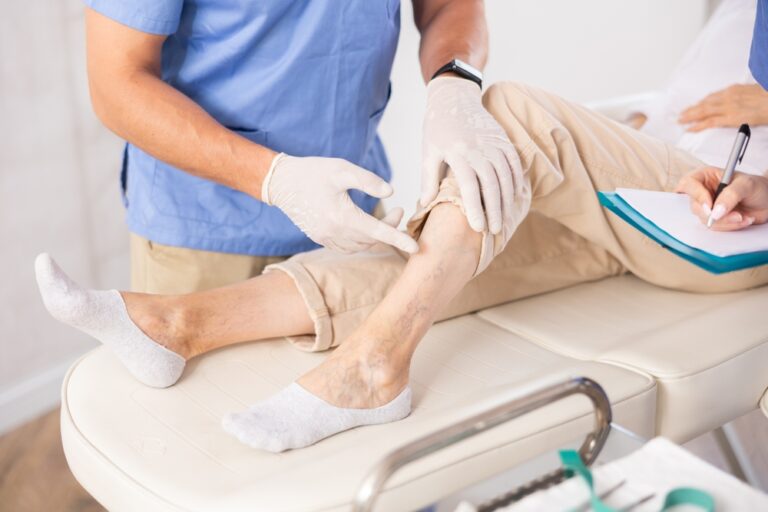
Accurate diagnosis is an important first step before pursuing treatment. Ultrasound imaging plays a central role in identifying venous insufficiency, evaluating blood flow, and guiding personalized care decisions.
Next Steps If You’re Unsure Whether It’s Vein Disease or RLS
If you are experiencing symptoms consistent with varicose veins, restless legs, or other leg discomfort, getting an evaluation is important.
A vein screening is designed to be informative, brief, and comfortable. During the visit, a screening ultrasound is performed, and your specific symptoms are discussed. Once the findings are reviewed, our specialists explain the next steps.
If signs of venous disease are detected, the next step is usually a formal consultation and a comprehensive evaluation to create a personalized treatment plan.
Find the Real Cause of Your Leg Discomfort
Persistent leg discomfort should not be ignored, especially when it affects sleep and daily activities. If you have been wondering whether varicose veins and restless leg syndrome, a professional evaluation can provide the answers you need.
Empire Vein & Vascular Specialists offers advanced, minimally invasive treatments, including VenaSeal™ and ClosureFast™, typically performed in under 30 minutes and associated with little to no downtime. Our board-certified specialists deliver personalized care, and our Intersocietal Accreditation Commission (IAC) accreditation reflects the highest standard of diagnostic accuracy.
We offer a free vein screening to everyone, regardless of insurance. If your vein treatment is considered medically necessary, all related expenses are covered upfront, so you know exactly what to expect when you receive your bill. Most insurance plans are accepted, including Medicare, PPOs, HMOs, and IEHP.
Call 1.800.VARICOSE (1-800-827-4267) or visit our website today.