

Alcohol is widely woven into social life, celebrations, and daily routines. Yet many people do not realize the connection between alcohol and blood circulation or how drinking habits may influence long-term vascular health. According to the Centers for Disease Control and Prevention (CDC), excessive alcohol use is responsible for more than 178,000 deaths in the United States each year. It contributes to a wide range of cardiovascular conditions.
While moderate intake may have limited short-term vascular effects, regular or heavy drinking can alter blood flow, strain vein walls, and worsen symptoms associated with venous disease.
For adults aged 40 and older, these changes can significantly impair mobility and cause discomfort. Leg heaviness, swelling, visible veins, and nighttime discomfort may interfere with exercise, travel, sleep quality, and daily routines.
How Alcohol Changes Blood Flow in the Body
Alcohol can affect the vascular system in several ways. Shortly after drinking, it acts as a vasodilator, meaning it temporarily widens blood vessels. This is why many people notice a warm or flushed feeling. When vessels widen, blood moves closer to the skin, changing alcohol blood circulation patterns.
Several important mechanisms help explain these changes:
- Temporary vessel relaxation: Alcohol relaxes smooth muscle within vessel walls, which can briefly increase blood flow.
- Fluid imbalance: Because alcohol is a diuretic, it causes the body to lose fluids, which may lead to dehydration and thicker blood.
- Inflammatory response: Regular drinking is linked to inflammation that can damage the endothelium, the delicate inner lining of blood vessels.
- Blood pressure elevation: Over time, regular alcohol use can raise blood pressure, increasing strain on both arteries and veins.
Together, these effects help explain why clinicians frequently examine the relationship between alcohol and blood circulation when evaluating patients with vascular concerns. [1]
How Alcohol Can Increase Pressure in the Veins
Healthy veins rely on tiny one-way valves that keep blood moving upward toward the heart. When pressure rises inside the vein, these valves may weaken, allowing blood to pool in the legs. The alcohol effect on veins becomes particularly important here.
Regular alcohol consumption can contribute to:
- Higher venous pressure: Elevated blood pressure pushes more force against the vein walls.
- Reduced muscle efficiency: Alcohol may interfere with muscle contractions that assist blood return from the legs.
- Weight gain: Alcoholic beverages contain a lot of calories, and excess weight increases pressure on lower-extremity veins.
- Liver-related circulation changes: Advanced liver disease can disrupt blood flow patterns and increase venous pressure.
These changes are why specialists often explore the connection between alcohol and varicose veins. Over time, increased pressure may stretch veins beyond their natural elasticity, making them more visible and symptomatic. [2] [3]
When Alcohol May Contribute to Varicose Vein Symptoms
You may wonder whether “varicose veins and alcohol consumption” are directly linked. Alcohol does not cause varicose veins on its own, but it can intensify existing risk factors and trigger symptom flare-ups.
Understanding the relationship between alcohol and varicose veins is especially important if you already notice:
- Aching or heavy legs
- Swelling around the ankles
- Burning sensations
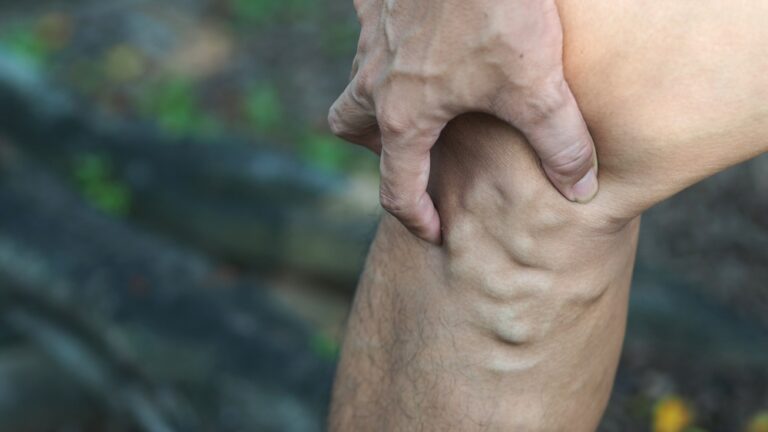
- Visible, twisted veins
- Nighttime leg discomfort
Alcohol can dehydrate your body, which may increase swelling. It also widens blood vessels, making veins more noticeable. Additionally, disrupted sleep after drinking can further increase leg discomfort.
So, does alcohol affect blood circulation enough to worsen symptoms? It often depends on how much and how often you drink. Occasional alcohol use may have little effect, but regular drinking can make existing vein problems more noticeable and uncomfortable.
What Changes in Circulation May Mean for Your Health
Alcohol’s impact on blood flow affects far more than varicose veins. The circulatory system supports all organs, so that chronic disruption can harm overall health.
- Cardiovascular effects: Heavy drinking is linked to irregular heart rhythms, a higher risk of stroke and heart attack, and even heart failure, as the heart and vessels are repeatedly stressed.
- Skin changes: Reduced circulation can deprive skin of oxygen, causing redness, blotchiness, and more visible spider or varicose veins.
- Slower healing: Compromised blood flow delays wound healing, which is especially problematic if you already have venous insufficiency or venous ulcers.
- More inflammation: Chronic alcohol use can drive inflammation in blood vessels, worsening many vascular conditions.
The good news is that vascular disease is highly treatable, particularly when detected early. Reducing or avoiding alcohol can help your blood vessels function more efficiently, lower blood pressure, and ease strain on your leg veins. If treatment becomes necessary, several minimally invasive options are available to help restore healthy circulation and relieve symptoms.
Techniques That Can Support Healthier Circulation
Fortunately, today’s treatments are designed with patient comfort in mind. They can help improve blood flow while reducing symptoms that may worsen with poor circulation, including those linked to chronic alcohol use.
- VenaSeal™: A medical-grade adhesive seals damaged veins so blood flows through healthy veins instead, reducing pressure and discomfort.
- ClosureFast™: Uses controlled radiofrequency heat to close diseased veins.
- Sclerotherapy: A foam sclerosant is injected into affected veins under real-time imaging to shrink them and improve overall circulation.
- Phlebectomy: Small surface veins that cause symptoms or cosmetic concerns are removed, helping decrease pooling and improve small-vein circulation.
- Compression therapy: Tight-fitting compression stockings help support venous return and are often used before and after procedures to optimize circulation and relieve symptoms.
These approaches can significantly reduce symptoms of poor circulation.
Take Control of Your Vascular Health
Everyday habits can influence vein health. While occasional drinking may fit within a balanced lifestyle for some adults, persistent or heavy alcohol use can place added strain on the vascular system and intensify symptoms associated with alcohol and varicose veins.
At Empire Vein & Vascular Specialists, we deliver comprehensive care for varicose veins, spider veins, and other conditions related to venous insufficiency. Our board-certified specialists use minimally invasive treatments to provide lasting relief, often in under an hour and with minimal disruption to your daily routine. As the #1 provider of VenaSeal™ varicose vein treatment and an Intersocietal Accreditation Commission (IAC)-accredited facility, we uphold rigorous standards to ensure safe, high-quality vascular care.
A free vein screening with one of our specialists is a convenient way to evaluate your vein health and discuss how lifestyle factors, including alcohol use, may be influencing your symptoms. You will receive personalized treatment options designed to improve your circulation and comfort.
We accept most insurance plans, including Medicare and many PPOs and HMOs, helping make advanced vein care accessible to a broad range of patients.
If you are experiencing leg discomfort, swelling, or visible veins, call 1-800-VARICOSE (1-800-827-4267) or visit our website to schedule a consultation today.