

You spend roughly a third of your life asleep. Most people think of sleep as a time when the body simply shuts down. But your circulatory system keeps working all night long. The position you sleep in can either support that work or make it harder.
If you’ve ever woken up with numb hands, tingling feet, or swollen legs, your sleep position may be part of the problem. Understanding the best sleeping position for circulation could make a real difference in how you feel each morning.
How Sleep Position Impacts Blood Circulation
Your body keeps blood moving continuously, but circulation slows during sleep due to reduced muscle activity. Since you’re not moving, certain positions can make it harder for blood to return to the heart, allowing it to pool in your arms or legs. [1]
Gravity also plays a role. Lying down helps equalize blood pressure compared to standing, but some positions can compress blood vessels or nerves, which may affect circulation.
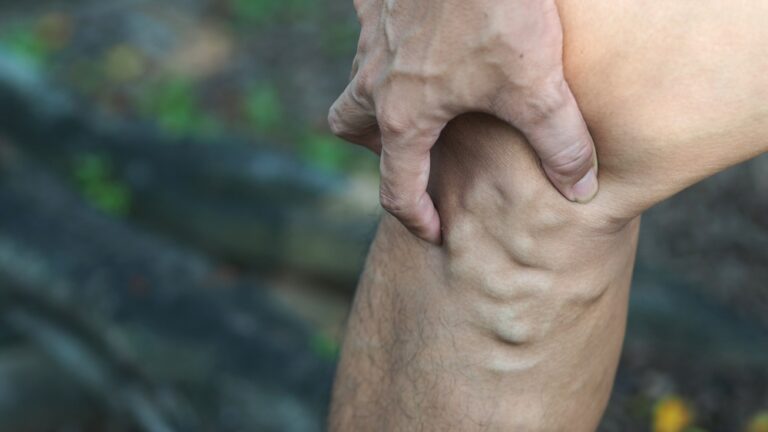
Chronic venous insufficiency (CVI) occurs when vein valves weaken and fail to close properly, making it harder for blood to return to the heart. This can cause blood to pool in the legs, leading to swelling, heaviness, and discomfort that may feel more noticeable at night.
If you have peripheral artery disease (PAD), a condition in which narrowed arteries reduce blood flow to the limbs, sleep position can further affect blood flow to the legs.
Remaining in one position for too long may also contribute to tingling and morning stiffness, or increase the risk of blood clots, such as deep vein thrombosis (DVT), in which a clot forms in a deep vein and can become dangerous if it travels to the lungs.
Best Sleeping Positions to Improve Blood Flow
Not all sleep positions are equal when it comes to circulation. Here are the ones that tend to support healthy blood flow. If you have a heart condition, ask your doctor which side is right for you.
Sleeping on Your Left Side
Sleeping on the left side is often recommended during pregnancy and may benefit some people with cardiovascular conditions. However, those with heart failure sometimes find it worsens shortness of breath and prefer the right side.
If you sleep on your side, place a pillow between your knees. This keeps your hips aligned and reduces stress on your lower back, which also supports better blood flow through the pelvis and legs.
Sleeping on Your Back with Leg Elevation
This position works well for many people, particularly those with varicose veins or mild swelling, as it reduces pressure on veins and encourages venous return to the heart. Those with severe PAD should consult their doctor, as elevating the legs may worsen symptoms. Raising the head of the bed is sometimes preferred instead.
Raising Your Legs While Sleeping
Elevating the legs above heart level prevents blood from pooling in the extremities. This is considered one of the best sleeping positions for blood circulation because it simultaneously reduces pressure on veins and encourages venous return to the heart. It is also the best sleeping position for leg circulation for many people, particularly those with varicose veins or mild swelling.
The Semi-Fowler Position
The Semi-Fowler position, where the upper body is elevated between 15 and 45 degrees using pillows or an adjustable bed, is often recommended. In this position, the legs are kept straight or slightly bent. It allows gravity to gently assist blood flow to the lower limbs without straining the veins on the return trip.
Positions That May Restrict Circulation
Some sleep positions can work against your body’s natural circulation patterns.
Stomach Sleeping
Sleeping face down creates several circulation challenges. It places pressure on the chest and abdomen, potentially restricting blood flow. Stomach sleeping can disrupt circulation and put strain on the neck and spine. Turning the head to one side for hours also strains neck muscles and may reduce blood flow to the brain. [2]
The Tight Fetal Position
Curling tightly into a ball might feel comfortable, but it compresses the veins behind your knees. Sleeping curled tightly in a fetal position can restrict blood flow. If you prefer side sleeping, keep your legs slightly bent rather than pulled tightly toward your chest.
Right-Side Sleeping
While generally safe for healthy people, sleeping on the right side can put more pressure on the major veins returning to the heart than sleeping on the left side.
Tips to Improve Circulation While You Sleep
Here are practical ways to support circulation in your feet while sleeping and throughout your whole body:
Elevate Your Legs Before Bed
Even a 10-minute leg elevation session while lying on the floor can help reduce leg swelling before you settle in for the night.
Stay Hydrated
Maintaining proper hydration supports healthy blood circulation. Drinking water throughout the evening, while avoiding excessive fluids right before bed, helps balance hydration without disrupting sleep.
Stretch or Do Light Movement Before Bed
Gentle calf raises, ankle circles, or a short walk can help push blood through the legs before you lie down for hours.
Wear Compression Stockings During the Day
If your doctor has recommended them, compression stockings help prevent blood from pooling in your legs throughout the day. This carries over into improved nighttime circulation.
Choose the Right Mattress and Pillow
A supportive mattress that distributes weight evenly reduces pressure points. A pillow that keeps your neck aligned prevents unnecessary strain on blood vessels in the upper body.
Avoid Alcohol and Large Meals Before Bed
Both can affect vascular tone and disrupt the quality of your sleep, which, in turn, can affect how well your body recovers overnight.
When Circulation Issues May Need Medical Attention
Adjusting your sleep position is a helpful first step. But some circulation problems during sleep are signs of a condition that requires professional care.
See a vein or vascular specialist if you experience:
- Persistent leg swelling that does not improve overnight
- Leg pain, cramping, or heaviness that wakes you from sleep
- Numbness or tingling that doesn’t resolve after changing position
- Skin discoloration, especially around the ankles
- Visible varicose veins that are getting worse
- Any sudden shortness of breath, chest pain, or sharp leg pain (these may indicate a blood clot and require immediate emergency care)
Many of these cases are preventable with early intervention. Don’t wait for symptoms to become severe.
Better Circulation Starts with Expert Care
Proper positioning is a vital first step, but if you are still experiencing poor circulation while sleeping, it may be time for a professional evaluation.
At Empire Vein & Vascular Specialists, our board-certified vascular surgeons provide expert, minimally invasive care for a wide range of conditions, including varicose veins and PAD. As an IAC-accredited facility, we uphold the highest clinical standards to ensure you receive safe, high-quality care that fits your lifestyle, often with treatments that take less than an hour.
We make advanced vein care accessible by accepting most insurance plans, including Medicare, PPOs, HMOs, and IEHP. Best of all, no referral is needed to get started.
Don’t wait for symptoms to wake you up. Call 1-800-VARICOSE (1-888-263-7114) or visit our website to schedule your free vein screening today.
Sources
[1] https://www.ncbi.nlm.nih.gov/books/NBK557482/
[2] https://pubmed.ncbi.nlm.nih.gov/18714786/