

If you’ve ever been scolded for pressing your freezing feet against your partner in bed, or if you’re the one who gets startled awake by icy toes, you’re not alone. Cold feet are a common complaint that people often bring to their doctors.
Here’s the thing. Not everyone with cold feet has a circulation problem. And for those who do, the cause can be something more serious that should get checked out.
Improving circulation in your feet starts with understanding why your feet might be cold in the first place.
Common Causes of Poor Circulation in the Feet
Poor circulation in the feet can stem from several different conditions. It’s important not to assume they’re all the same.
Peripheral Artery Disease
One of the most common and most underdiagnosed causes of cold feet is peripheral artery disease (PAD). PAD occurs when fatty deposits build up inside the arteries, causing them to narrow and reduce blood flow to the feet and lower legs. People at higher risk include those who smoke, have diabetes, have high blood pressure or high cholesterol, or are over the age of 50. [1]
PAD doesn’t always cause pain. Some people only notice that their feet feel cold, look pale, or take a long time to warm up. Others may feel leg cramping when walking that goes away with rest. That matters because PAD is also a marker for increased heart attack and stroke risk.
Raynaud’s Phenomenon
Raynaud’s is a different kind of circulation problem. Instead of blocked arteries, it involves blood vessels that overreact to cold or stress. Raynaud’s causes small blood vessels in the fingers and toes to suddenly clamp down, cutting off circulation. The toes may turn white, then blue, then red as blood flow returns.
Raynaud’s is more common in women and often appears in younger people. It can occur on its own (primary Raynaud’s) or as a signal of an underlying condition like lupus or scleroderma (secondary Raynaud’s). It’s not dangerous in most mild cases, but it can be a clue that something else is going on. [2]
Peripheral Neuropathy
Sometimes feet feel cold because of damaged nerves, not reduced blood flow. This is called peripheral neuropathy. Diabetes is a common cause of this condition and can lead to nerve damage over time, especially in the feet. Peripheral neuropathy may cause numbness, tingling, or a burning sensation. [3]
With neuropathy, the feet may feel cold to the person, but normal to the touch. This distinction is important when determining the underlying cause and choosing the right treatment.
Other Causes
Foot circulation can also be affected by anemia, an underactive thyroid, prolonged sitting, or certain medications such as some beta-blockers.
Signs Your Foot Circulation May Be Affected
There’s a difference between “my feet are cold because I forgot socks” and poor circulation that needs medical attention.
Watch for these warning signs:
- Feet that stay cold even in a warm room
- Skin that turns pale, blue, or mottled
- Numbness, tingling, or burning sensations
- Slow-healing cuts or sores on the feet
- Hair loss on the lower legs
- Swelling that doesn’t improve
- Cramping in the calves while walking that eases with rest
That last symptom, pain with walking that eases at rest, is called intermittent claudication. It’s a classic sign of PAD and should always prompt a visit to a doctor.
Simple Ways to Improve Blood Flow at Home
If your cold feet are mild and not accompanied by warning symptoms, there are several ways to improve circulation.
Move More
Walking is one of the most effective ways to increase blood flow to the feet. Regular movement gets the blood pumping and, over time, helps build new small blood vessels. Even short walks can make a difference.
Ankle rolls and toe stretches are simple exercises you can do while seated. Slowly circle each ankle in both directions for 10 rotations. Flex and point your toes repeatedly. These low-effort moves help push blood through the vessels in the lower legs and feet.
Warm Foot Soaks
A warm (not hot) foot soak helps dilate blood vessels, improving blood flow to the feet. Keep the water comfortably warm and soak for 15 to 20 minutes.
Use Compression Socks
For people with mild swelling or venous insufficiency, graduated compression socks can help push blood back up toward the heart. Ask your doctor what compression level is right for you.
Quit Smoking
Smoking narrows arteries, reduces oxygen in the blood, and significantly worsens PAD. Stopping smoking is one of the most effective ways to improve blood flow in those with arterial disease.
Lifestyle Changes That Support Healthy Circulation
Long-term foot circulation depends heavily on everyday habits. These changes support vascular health from the inside out.
Eat a Heart-Healthy Diet
A diet rich in leafy greens, whole grains, lean protein, and healthy fats helps reduce arterial plaque. Cutting back on saturated fat, sodium, and processed foods lowers the risk of both PAD and hypertension.
Stay Hydrated
Dehydration slightly thickens the blood, reducing circulation efficiency. Drinking enough water throughout the day is a simple way to support healthy blood flow.
Control Blood Sugar and Blood Pressure
Diabetes and hypertension are two of the biggest drivers of vascular and nerve damage. Managing these conditions through medication, diet, and exercise helps slow further damage to the blood vessels and nerves of the feet.
Maintain a Healthy Weight
Extra body weight puts pressure on veins and arteries. Even modest weight loss can improve circulation for those who are overweight.
Manage Stress
Stress triggers the narrowing of blood vessels. For people with Raynaud’s, stress can be just as much of a trigger as cold temperatures. Relaxation techniques such as deep breathing, gentle yoga, or meditation can reduce the frequency and severity of episodes.
When to See a Specialist for Circulation Issues
Cold feet are not always serious, but ongoing symptoms should not be ignored. If you have persistent coldness, numbness, pain, or slow-healing wounds, and lifestyle changes are not improving your symptoms, the next step is expert care.
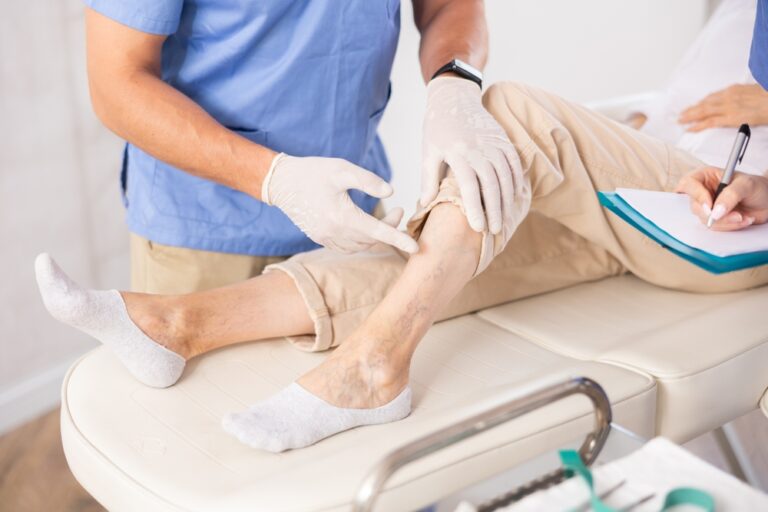
A vascular specialist can assess your foot circulation issues and check for underlying conditions like PAD. Early diagnosis is important, as circulation problems are easier to treat before they progress.
At Empire Vein & Vascular Specialists, our board-certified vascular surgeons diagnose and treat the root causes of poor circulation in your feet using advanced, minimally invasive techniques. We offer consultations, and we accept most major insurance plans, including Medicare, PPOs, HMOs, and IEHP.
Don’t ignore cold, numb, or painful feet. Call 1-800-VARICOSE (1-888-263-7114) or visit our website to schedule your consultation today and take the first step toward improving your foot circulation.
Sources
[1] https://www.ncbi.nlm.nih.gov/books/NBK430745/
[2] https://www.ncbi.nlm.nih.gov/books/NBK499833/
[3] https://www.ncbi.nlm.nih.gov/books/NBK542220/