



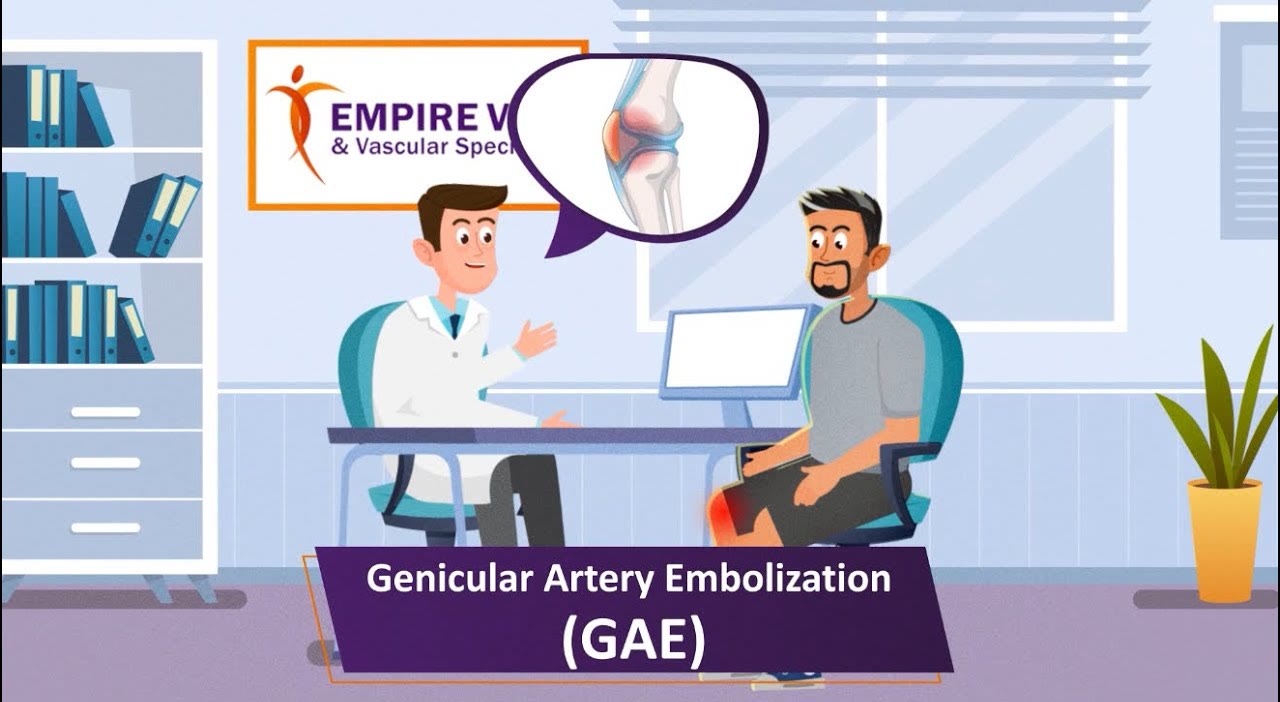
The procedure, start to finish
Three steps, one outpatient visit, about 30 minutes start to finish. Here's what happens on the day.
A tiny puncture
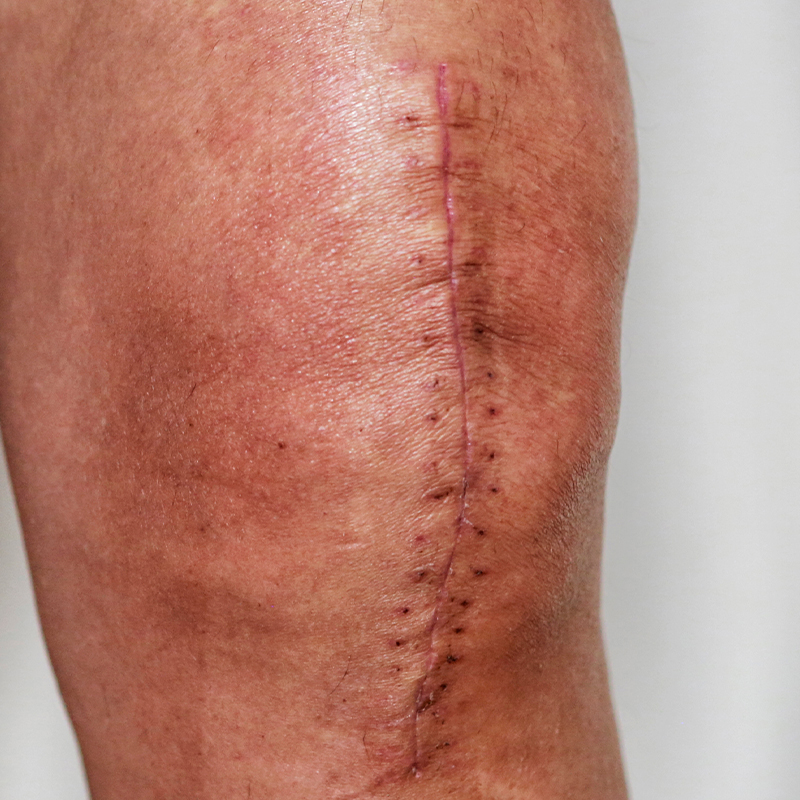
Through a puncture about the size of a pinhole in the upper thigh, with no surgical incision and no stitches, your physician guides a thin, flexible catheter into the artery. The area is numbed first and you're lightly sedated, so you stay comfortable throughout.
Find the source
Using live X-ray imaging, the catheter is steered to the small genicular arteries that have become overactive, the very vessels feeding the inflammation around your arthritic knee.
Calm the inflammation
Through the catheter, your physician releases microscopic spheres that gently ease the excess blood flow driving that inflammation. The aim is to quiet only those overactive vessels while sparing your knee's normal circulation. Most people feel pain easing over the following few weeks.
Why calming blood flow relieves the pain
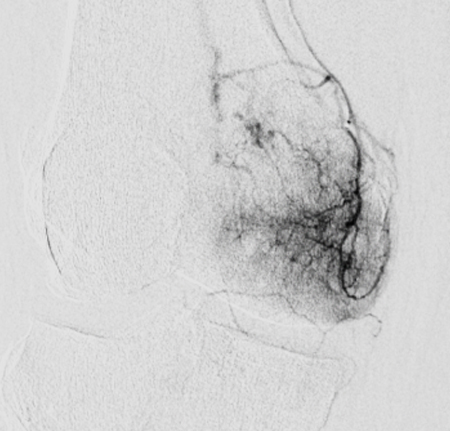
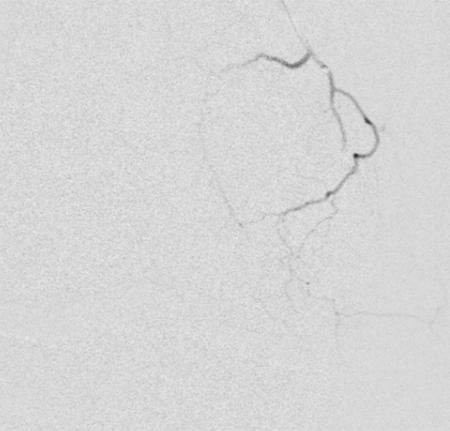
In an arthritic knee, the tiny arteries around the joint, called the genicular arteries, can become overactive. They grow extra small vessels and send too much blood to the joint lining, which feeds ongoing inflammation and pain.
GAE gently reduces that excess blood flow. Your physician places microscopic spheres in just those overactive vessels, calming the inflammation at its source while your knee's normal circulation is preserved.
Because nothing is cut or removed, your natural cartilage stays intact, GAE can be repeated if pain returns, and it never takes knee replacement off the table.
GAE
Why choose Empire Vein for GAE?
Six reasons knee-pain patients across Southern California put their care in our hands.

Led by a board-certified surgeon
Dr. Pushpinder Sivia, a board-certified vascular surgeon with 15 years of experience, has performed more than 800 GAE procedures.
Many plans cover GAE
We accept Medicare, IEHP, most PPOs, and many more, and we verify your exact coverage before anything is scheduled.
An accredited surgery center
Your procedure happens in our state-of-the-art outpatient center, accredited by The Joint Commission (JCAHO) and certified by Medicare.
Same-day, outpatient care
About 30 minutes in our own center, no hospital stay, and you're home the same day.
An honest candidacy review
GAE isn't for everyone. We review your imaging and history first, and tell you plainly if another option would serve you better.
Care patients rate 5 stars
4.8 from more than 2,000 verified patient reviews across Southern California.
Common questions about the procedure
The things patients ask us most about how GAE is done.
The procedure itself takes about 30 minutes. You'll be with us a little longer for check-in and a short monitored recovery, then you go home the same day. There's no hospital stay.
You'll be relaxed and comfortable. Patients receive light sedation along with local numbing at the access site, so you won't feel the catheter and won't need general anesthesia.
The access site is numbed first, so the procedure itself is generally painless. Afterward, some people notice mild soreness or bruising for a few days, which is usually managed with over-the-counter medication.
No. GAE is minimally invasive and image-guided. There's no incision and no stitches, and nothing inside your knee is cut or removed, so there's no joint replacement and no long recovery.
In our state-of-the-art outpatient surgery center, accredited by The Joint Commission (JCAHO) and certified by Medicare, two of the most rigorous standards in outpatient care. You're in and out the same day, with no hospital visit.
Patients go home the same day and can resume day-to-day activities the next day. Pain typically eases gradually over the following few weeks as the inflammation settles.
GAE is performed by a fellowship-trained interventional specialist. Dr. Sivia leads our GAE program and personally reviews whether the procedure is a good fit for you.
Keep exploring GAE

Ready to see if GAE is right for you?
Talk with our knee-pain experts at select Southern California offices.