


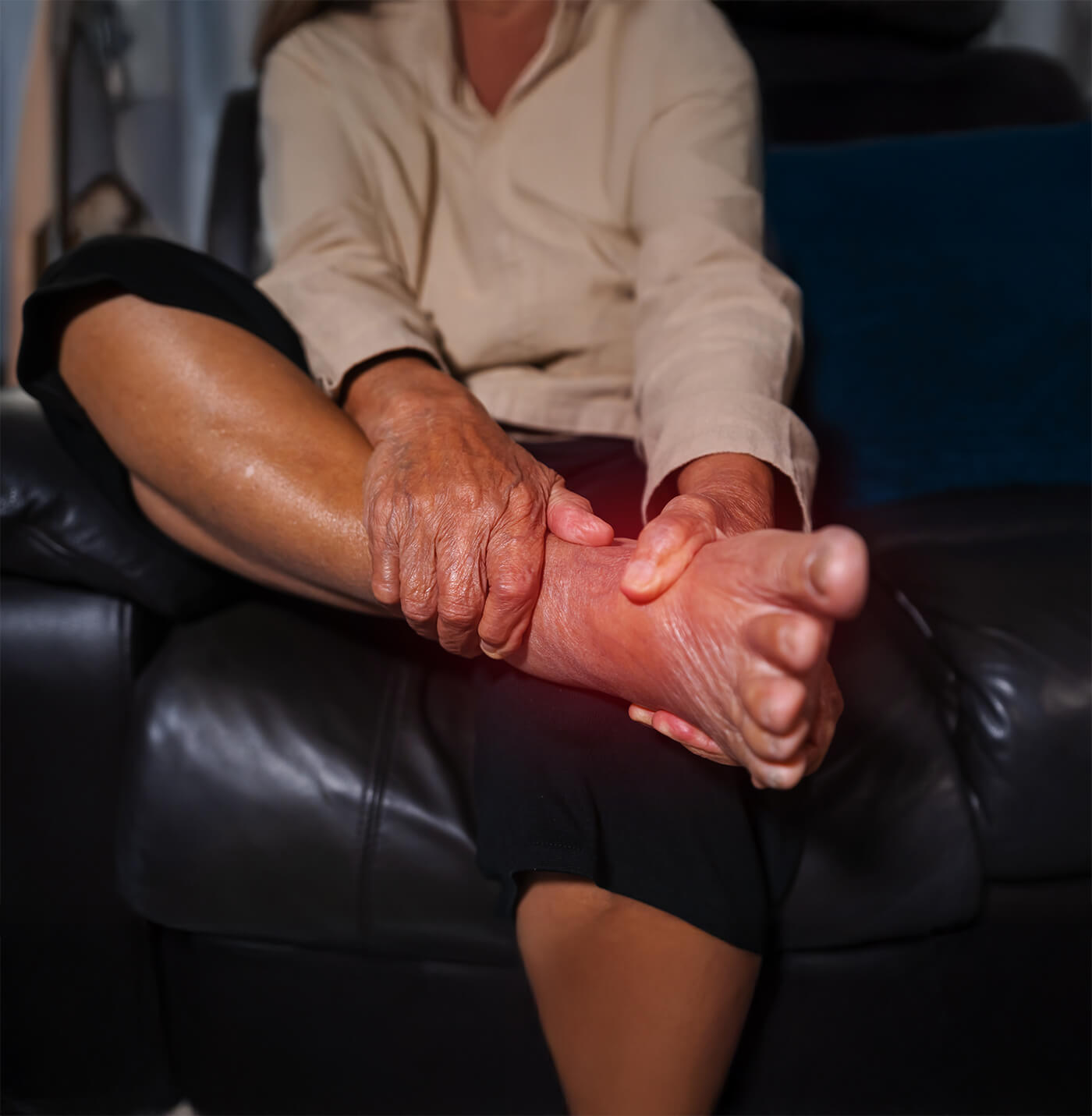
What is a venous leg ulcer?
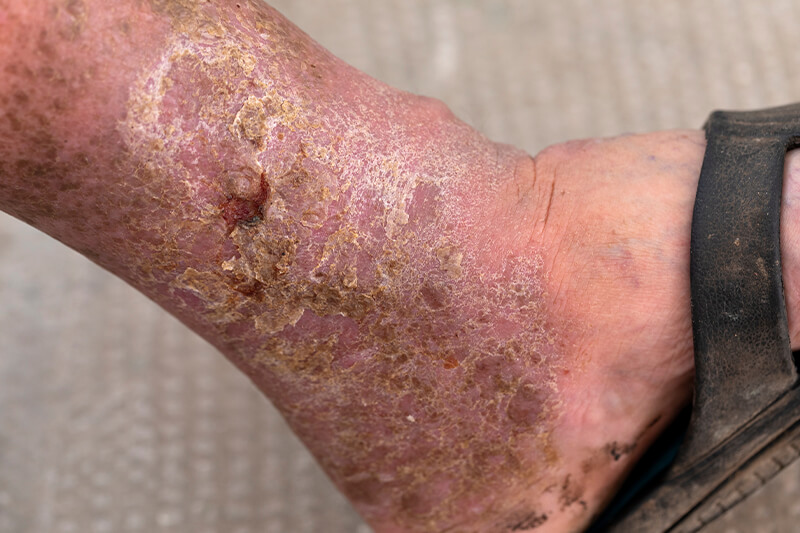
It's an open sore that usually forms around the ankle. The cause is poor blood flow in the leg veins, not an ordinary cut or scrape.
Venous ulcers are the most common type of leg ulcer. They happen when damaged valves in the leg veins let blood flow backward and pool. That keeps pressure in the lower leg high, a state doctors call venous hypertension. The stages below show how that pressure becomes a wound.
Unlike a cut or a scrape, the skin here isn't failing because of an injury. It sits under constant pressure from the veins beneath it, which is why bandaging alone rarely closes these wounds for good.
How vein disease leads to an ulcer
An ulcer is rarely the first sign. It's the final stage of a problem that moves through predictable steps. Catching it earlier means simpler treatment.
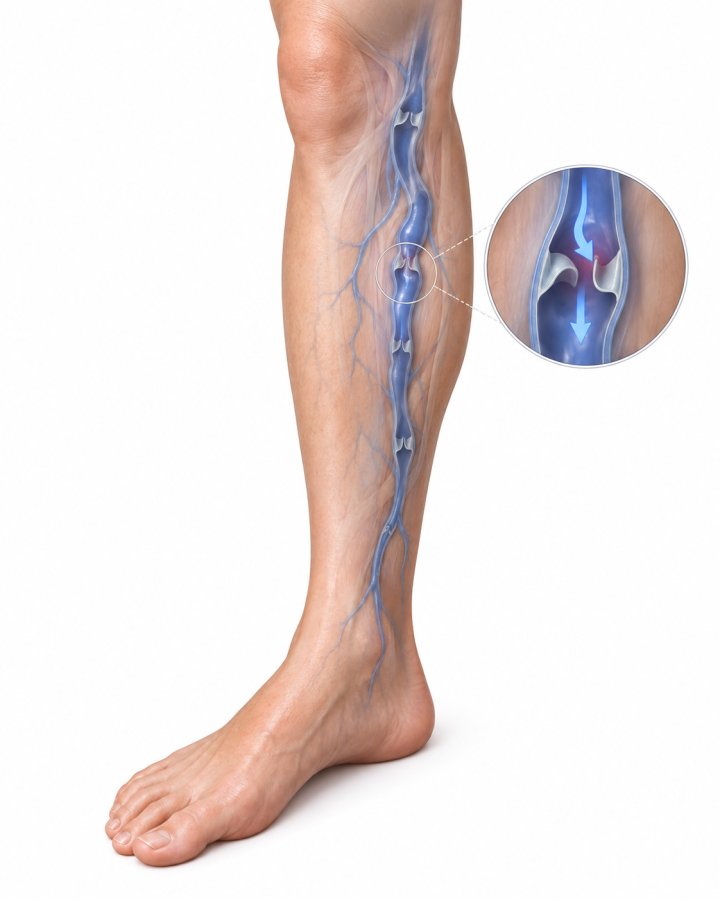
Venous reflux begins
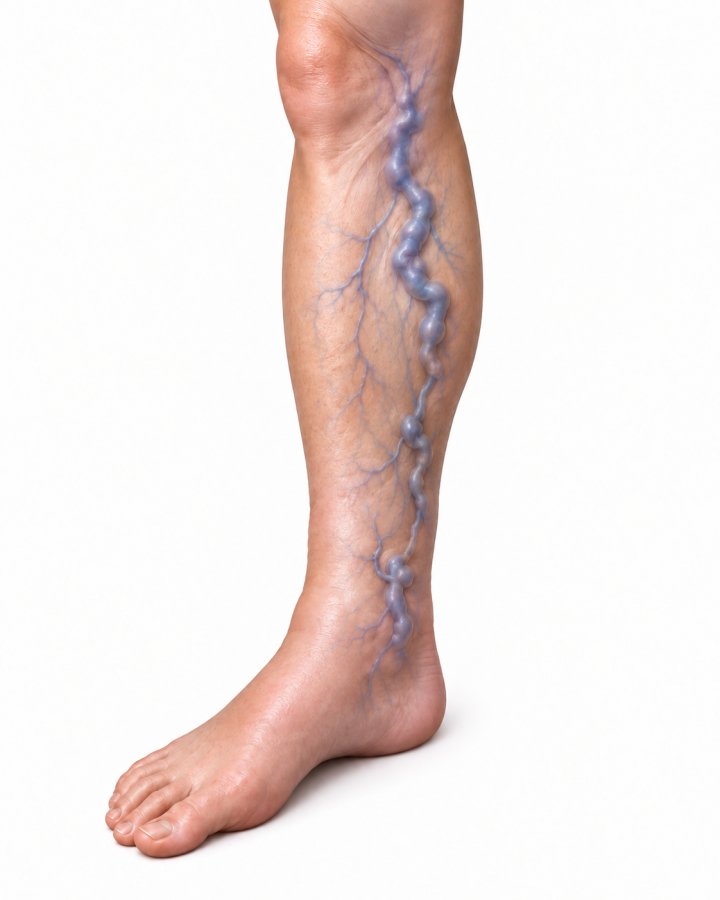
Swelling & varicose veins
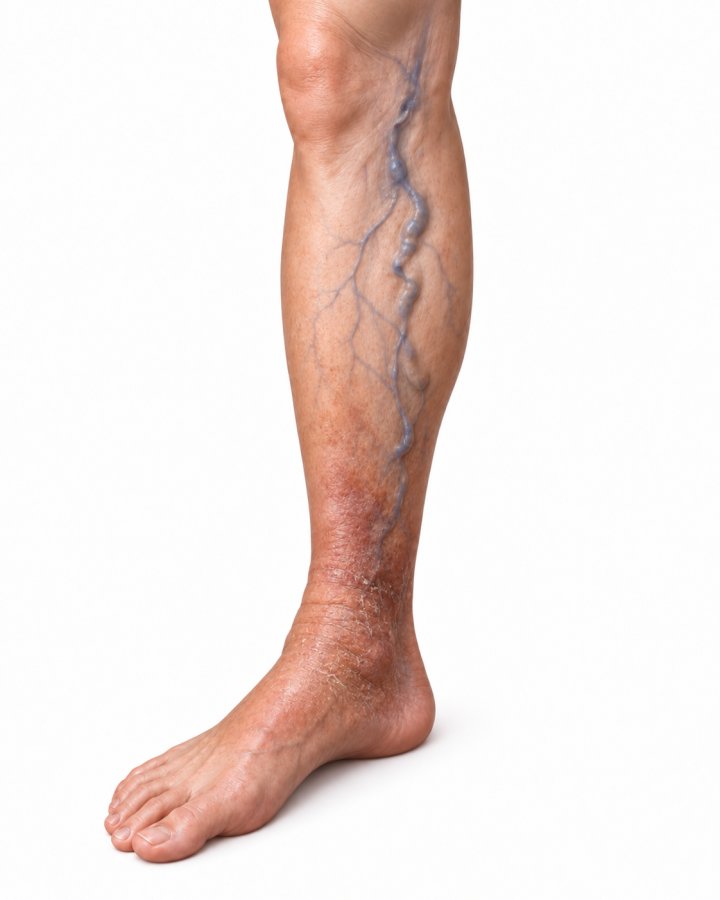
Skin changes set in
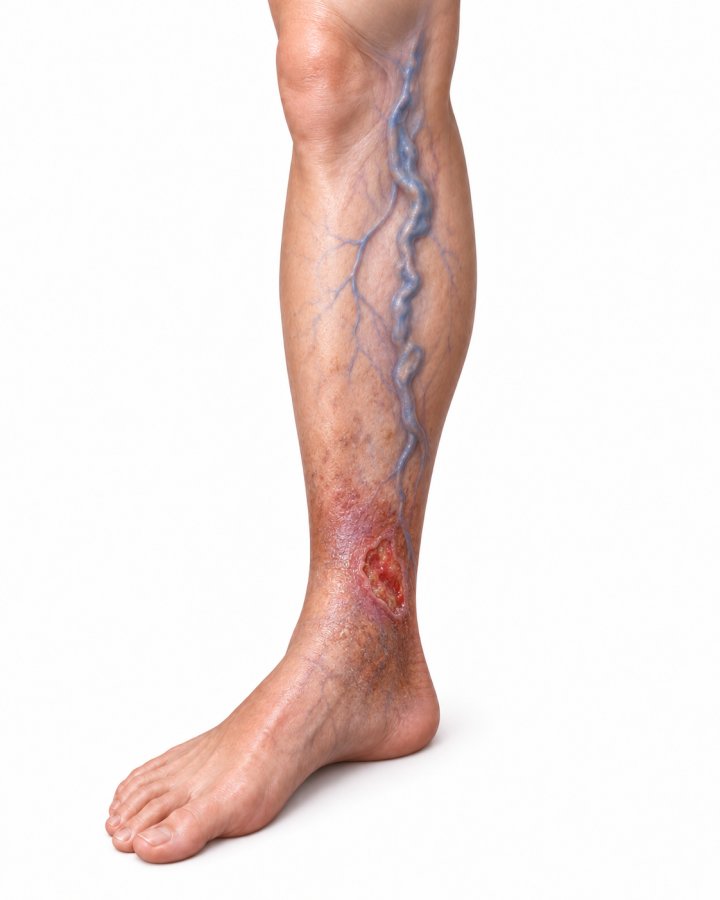
A venous ulcer forms
A leg ulcer is also a circulation warning. A non-healing wound signals advanced vein disease, and some patients also have artery disease (PAD). That's why we evaluate your whole vascular picture, not just the sore, so nothing serious is missed.
Signs & symptoms
Venous ulcers usually come with warning signs long before the skin opens. Knowing them helps you act early.
What you may See
What you may Feel
Signs it's Urgent
If a sore on your lower leg hasn’t healed in two weeks, or keeps coming back, it’s time to have it looked at. Wounds like these rarely close on their own.
Who's most at risk
Venous ulcers almost always follow long-standing vein disease. If you recognize several of these, it's worth a screening before the skin ever breaks down.
The goal isn't worry, it's timing. Caught early, the same vein problem is far simpler to treat than a wound that's already formed.
A history of venous reflux
A past blood clot (DVT)
Varicose veins & swelling
Standing all day & age
Excess weight & inactivity
Diabetes or poor circulation
How we find the cause
Healing a venous ulcer for good means treating what's underneath it, so we start by pinpointing exactly which veins are leaking.
Free vein screening
A specialist looks at the wound and your legs, listens to your history, and checks the signs of underlying vein disease.
Duplex ultrasound
A painless scan in our IAC-accredited lab maps your blood flow and pinpoints exactly which valves are leaking and driving the ulcer.
A healing plan
We combine wound care and compression with treatment of the underlying reflux, and verify your insurance, before anything is scheduled.
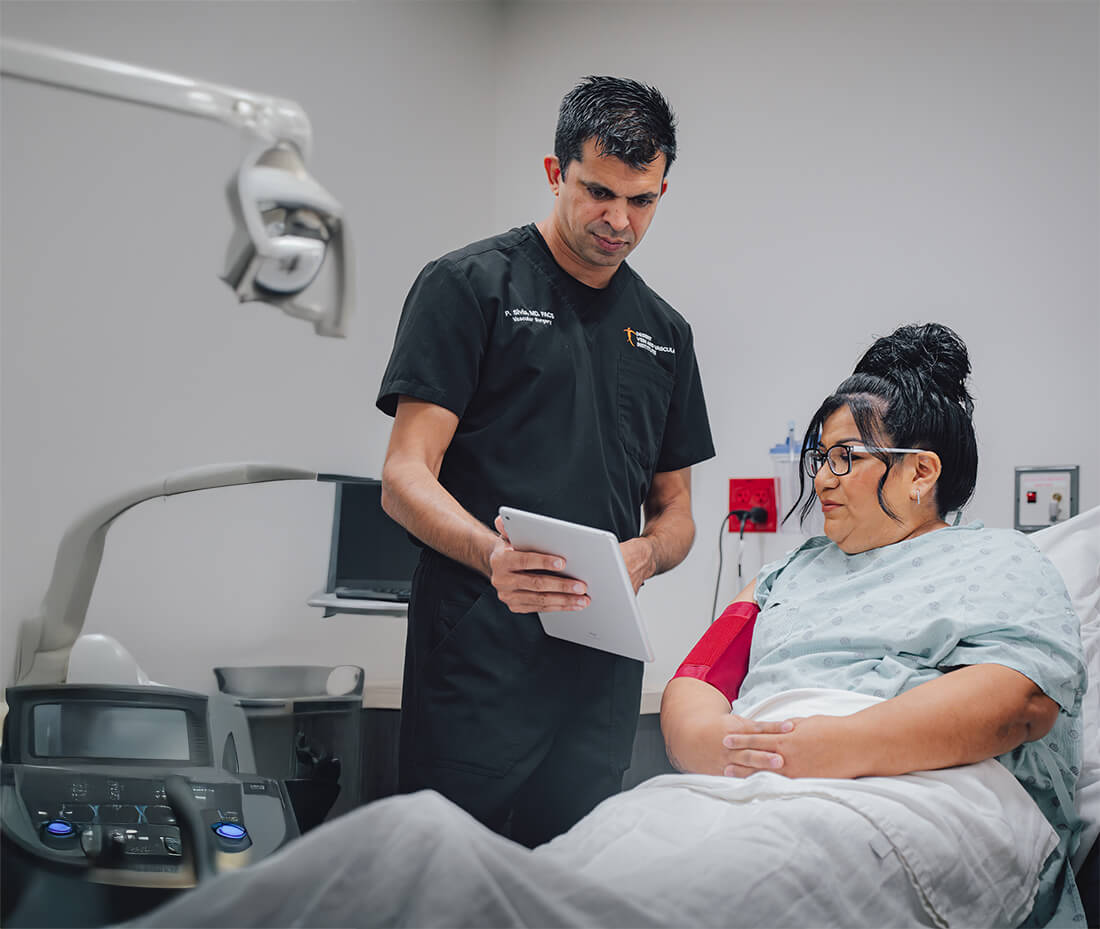
How we treat & heal them
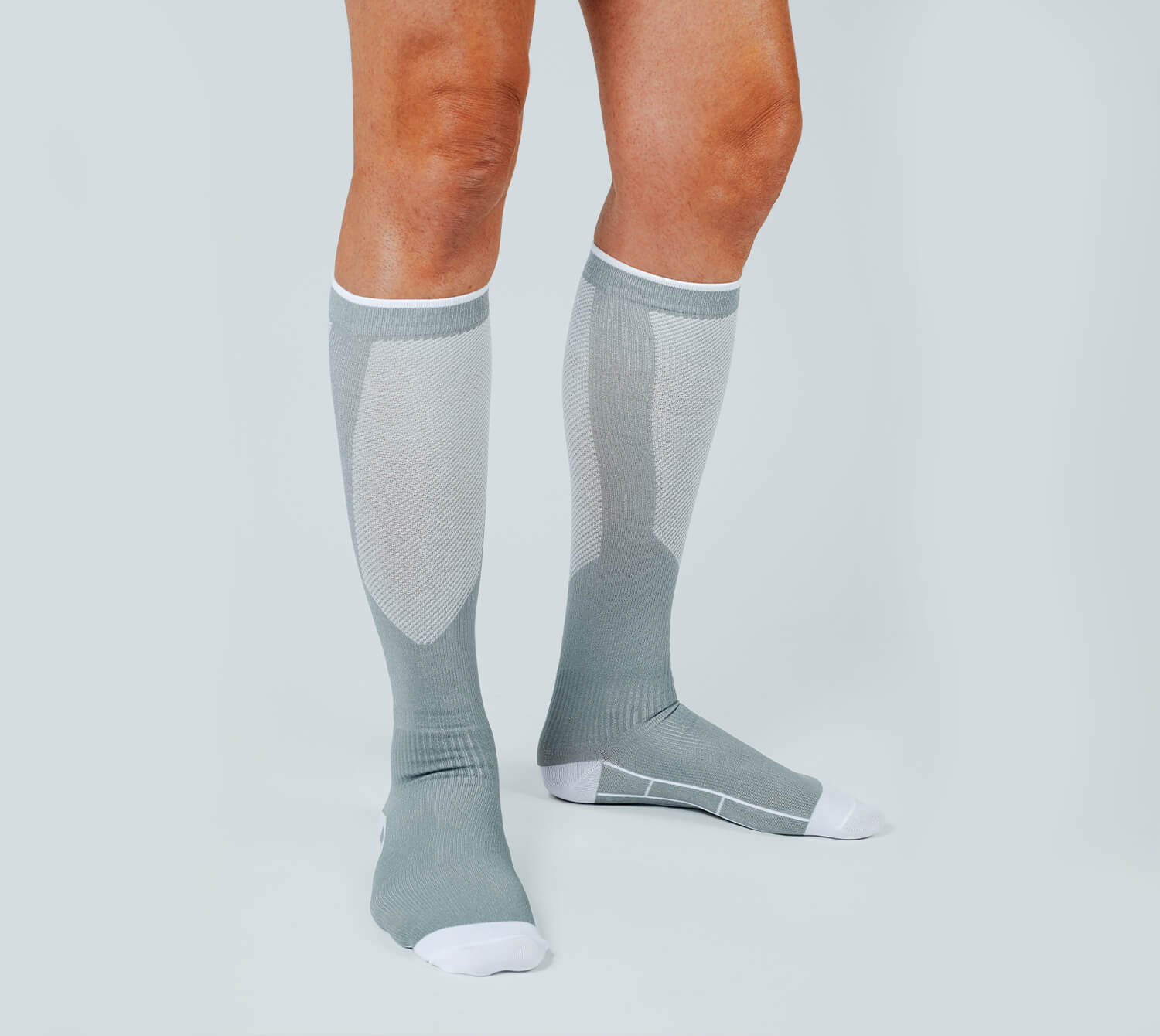
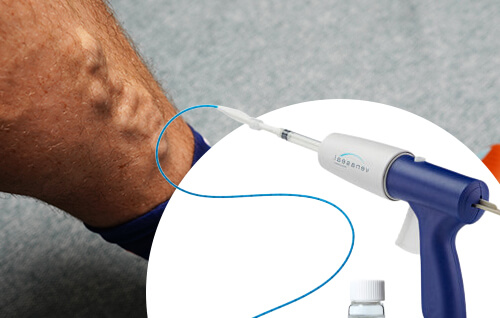
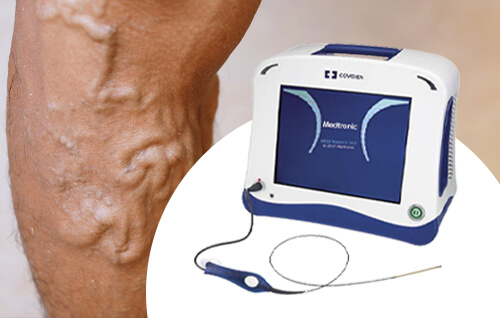
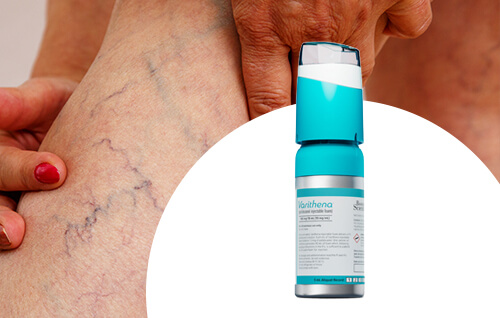
Lasting healing works on two fronts at once: compression to help the wound heal, and closing the leaking vein that keeps the pressure on. Treating the source is what keeps ulcers from returning.
Leg ulcer questions, answered
The things patients ask us most before getting started.
It's an open sore, usually near the ankle, that forms because of poor blood flow in the leg veins. When the valves in your veins stop closing properly, blood pools and pressure builds in the lower leg. Over time that pressure damages the skin until it breaks down into a wound that's slow to heal on its own.
Most leg ulcers won't heal with dressings alone because the real problem is underneath, the high vein pressure keeping the area swollen and inflamed. Once we treat that underlying reflux and add proper compression, healing usually improves dramatically. That's why an ulcer should be evaluated rather than just bandaged.
They should be taken seriously. An open wound can become infected, and untreated venous disease tends to make ulcers larger and more likely to return. The reassuring part is that venous ulcers are highly treatable, especially when you're seen early, so prompt care is the goal, not alarm.
A venous ulcer is a sign that your venous disease has advanced, and ongoing swelling and skin breakdown can lead to repeated infections and chronic wounds if left alone. It's also a reason to check your overall circulation, since some people with leg wounds also have artery disease (PAD) that needs its own care. A full vascular evaluation makes sure nothing is missed.
Treatment works on two fronts at once: caring for the wound (cleaning, dressings, and compression to control swelling) and fixing the cause (closing the leaking vein with a minimally invasive procedure like VenaSeal, ClosureFast, or Varithena). Treating the source is what helps the ulcer heal and keeps it from coming back.
It can, if the underlying vein problem isn't addressed. That's the key point: closing the faulty vein and continuing compression greatly lowers the chance of recurrence. Many people who only treat the wound see it return, which is why we focus on the cause, not just the sore.
Usually, yes. Because a venous ulcer is a medical condition, the evaluation and treatment are typically covered, including by Medicare. Bring your insurance card to your first visit and we'll handle the benefits check from there.
Insurance
When your veins cause symptoms like aching, swelling, or skin changes, treatment is typically considered medically necessary, including under Medicare. We'll help you verify your benefits.
Most major plans accepted






Locations
Care close to home across the Inland Empire, High Desert, and Coachella Valley. Every office has on-site ultrasound.
High Desert
Coachella Valley
A wound that won’t heal deserves answers.
Start with a free vein screening, a quick, painless look at the cause and a clear plan to heal it, at any of our 6 Southern California offices.