

Your diet does far more than fuel your daily activities. It also plays an important role in the health of your circulatory system. Many people accept heavy, aching, or swollen legs as a normal part of the day, especially if they spend long hours sitting or standing. However, these symptoms are often linked to underlying vein issues and inflammation within the blood vessels. The nutrients you consume can influence circulation, fluid balance, and vascular function, making diet an important factor in supporting healthy blood flow.
Modern medical procedures are highly effective at fixing damaged veins, but lasting wellness requires a two-part strategy. While a specialist treats the root cause, an anti-inflammatory diet for varicose veins can also address swelling and discomfort. This approach ensures your daily meals support your recovery and protect your vascular health long-term.
Why Inflammation Can Make Varicose Vein Symptoms Worse
To understand why a diet for venous insufficiency is so critical, it helps to look at the daily mechanics of your circulatory system. Your veins have the difficult job of fighting gravity to return blood from your feet back to your heart. To manage this upward climb, they rely on tiny, one-way valves that prevent blood from flowing backward.
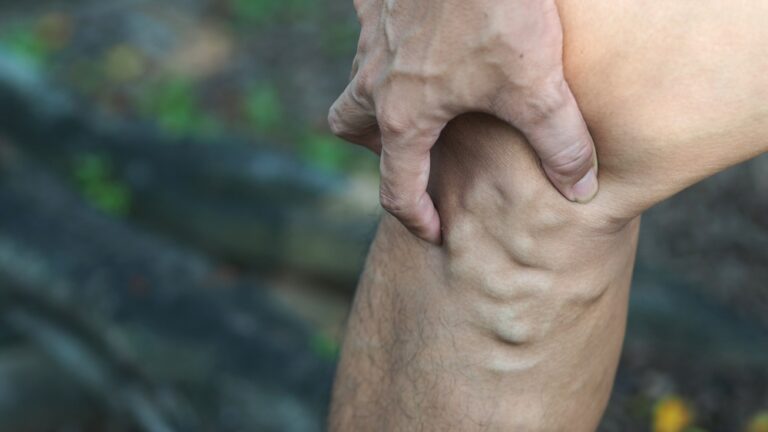
When these valves weaken or fail, blood begins to pool in the lower legs rather than moving toward the heart, a condition known as Chronic Venous Insufficiency (CVI). This “pooling” creates high internal pressure that stretches the vein walls, leading to the visible bulging we know as varicose veins.
This pressure does more than just distort the vein. It triggers a chronic inflammatory response. In the world of vascular health, inflammation isn’t just a side effect. It’s a driver of the disease. It causes vein walls to become brittle and thin, making them prone to further stretching. Also, systemic inflammation increases fluid retention, which is why your diet and varicose veins are so closely linked to that heavy, swollen feeling after a salty or highly processed meal.
When the body is in this constant state of irritation, certain foods are usually the missing piece of the puzzle. By replacing “pro-inflammatory” triggers such as refined sugars and trans fats with a targeted anti-inflammatory diet for varicose veins, you provide the essential building blocks your body needs to repair the vascular lining (endothelium) and soothe the surrounding tissues. [1]
Best Anti-Inflammatory Foods for Varicose Veins and Swollen Legs
The goal of a healthy diet for venous insufficiency is to improve circulation, strengthen the connective tissues in vein walls, and reduce the water retention that leads to heavy legs. Here are some foods that you should incorporate into your meals:
Bioflavonoid-Rich Fruits and Vegetables
Bioflavonoids are very important for vein health. These compounds reduce capillary permeability and strengthen vein walls.
- What to eat: Buckwheat, apples (with the skin), cherries, blueberries, and blackberries. Citrus fruits are also excellent sources of these nutrients, which have been shown in clinical studies to improve venous tone. [2] [5]
High-Fiber Foods
One of the biggest hidden risks for vein health is constipation. Straining during bowel movements increases internal pressure, which can restrict blood flow in the legs and worsen varicose veins.
- What to eat: Legumes (lentils and chickpeas), oats, chia seeds, and leafy greens. High-fiber diet tips for varicose vein health always emphasize keeping the digestive system moving to prevent pelvic pressure.
Omega-3 Fatty Acids
Omega-3s are nature’s anti-inflammatories. They help reduce inflammation and may improve blood flow and vessel flexibility, which can be helpful in chronic venous disease.
- What to eat: Wild-caught salmon, mackerel, walnuts, and flaxseeds. These are great foods for vein health that support the flexibility of your vascular system.
By prioritizing these foods in your daily meals, you provide your body with the natural tools it needs to strengthen vessel walls and reduce symptoms. [3]
Potassium-Rich Foods
To combat the foods that reduce swelling in legs, it’s important to balance sodium with enough potassium, which helps the kidneys flush out excess salt and water.
- What to eat: Bananas, avocados, sweet potatoes, and spinach.
Foods and Habits That Can Worsen Swelling and Vein Discomfort
Just as there are foods for vein health, there are several common dietary staples that can make your legs feel like lead.
- Excessive sodium: Salt causes the body to retain water. For someone with CVI, this extra fluid increases the volume of blood the weakened veins have to move, leading to visible swelling and tight skin.
- Refined carbohydrates: White bread, pasta, and sugary snacks cause insulin spikes. High insulin levels can impair the body’s ability to excrete sodium, leading to fluid retention.
- Alcohol: While an occasional glass of wine may contain antioxidants, excessive alcohol use causes vasodilation (widening of the vessels), which can increase stress on damaged valves.
- Sedentary habits: While not a food, your diet changes won’t be as effective if you stay stationary. Movement acts as a “second heart,” using calf muscles to pump blood upward.
Reducing these inflammatory triggers is just as vital as adding foods to ensure your vascular system isn’t working against unnecessary pressure and fluid retention. [4]
A Simple Anti-Inflammatory Plan for Better Vein Support
Shifting to an anti-inflammatory diet for varicose veins doesn’t have to be complicated. Start by following the “rainbow plate” rule. Half your plate should consist of colorful vegetables and fruits at every meal.
- Hydrate: Drink at least eight to 10 glasses of water. It sounds counterintuitive, but staying hydrated helps your body flush out the toxins and salt that cause swelling.
- Swap your fats: Replace butter and vegetable oils with extra virgin olive oil or avocado oil.
- Prioritize key nutrients: Vitamin C supports collagen formation for strong vein walls, Vitamin E helps prevent oxidative damage to the vascular lining, and Vitamin K2 helps prevent calcium buildup in the veins to maintain flexibility.
While diet alone may not cure existing varicose veins, it is a big part of managing symptoms and preventing disease progression.
Take Control of Your Vein Health Today
Managing your nutrition is a vital step toward long-term relief. However, if you are experiencing persistent pain, skin discoloration around the ankles, or severe swelling, it may be time to move beyond lifestyle changes and seek a professional evaluation.
At Empire Vein & Vascular Specialists, we are the valley’s top award-winning team. Our board-certified specialists focus on identifying the underlying cause of your symptoms through comprehensive diagnostic testing. We are proud to be accredited by the Intersocietal Accreditation Commission (IAC), a distinction that marks the highest standards of diagnostic accuracy and patient safety.
We believe that high-quality vascular care should be accessible, which is why we accept most major insurance plans, including Medicare, PPOs, HMOs, and IEHP. Whether you are looking to address the root cause of your discomfort or simply reclaim your active lifestyle, we offer the most advanced, minimally invasive treatments available.
Don’t let vein pain hold you back any longer. Take the first step by calling us at 1-800-VARICOSE (1-800-827-4267) or visiting our website to schedule a consultation today!
References
[1] https://pmc.ncbi.nlm.nih.gov/articles/PMC10855638/
[2] https://pmc.ncbi.nlm.nih.gov/articles/PMC6315948/
[3] https://www.health.harvard.edu/newsletter_article/foods-that-fight-inflammation
[4] https://pubmed.ncbi.nlm.nih.gov/35817383/
[5] https://pmc.ncbi.nlm.nih.gov/articles/PMC9464747/