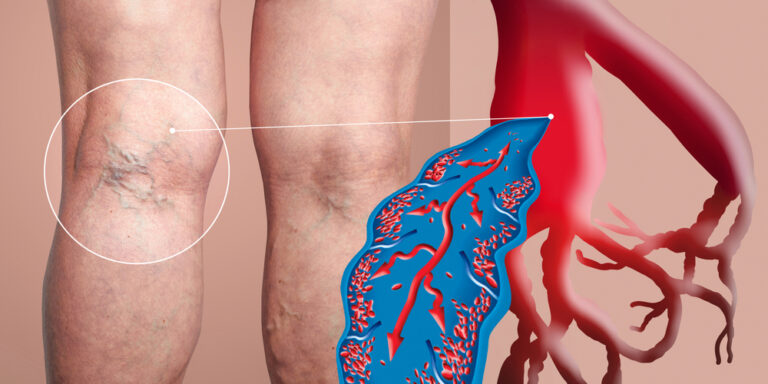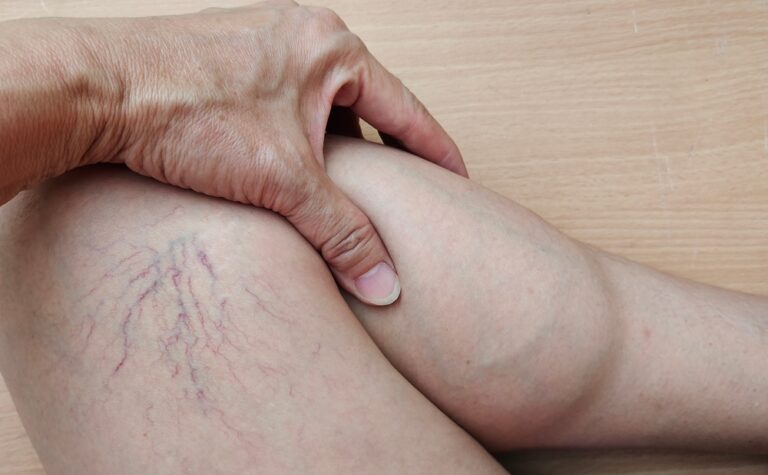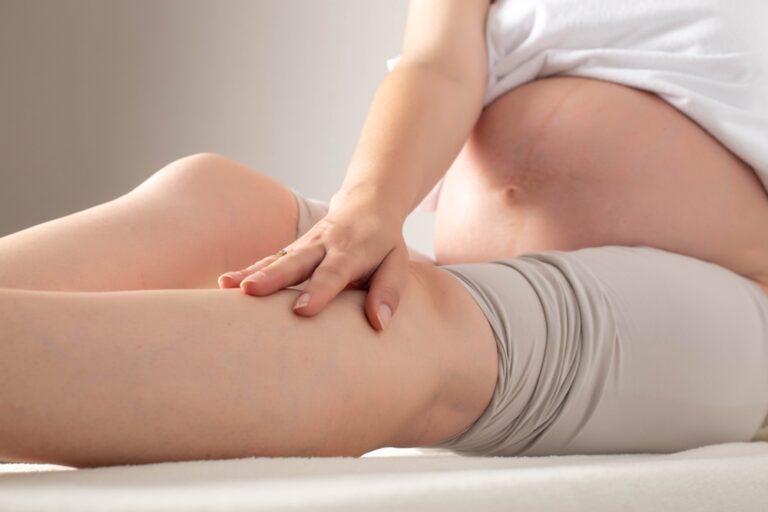

Close-up of legs with deep vein thrombosis and medical illustration showing affected veins.

Empire Vein & Vascular Specialists Blog

Stay informed with the latest news from our Board Certified Doctors.
Close-up of legs with deep vein thrombosis and medical illustration showing affected veins.

What Is Deep Vein Thrombosis?

Deep vein thrombosis (DVT) is when a blood clot forms in a deep vein, typically occurring in the legs. The clot can cause pain, swelling, or no symptoms at all. While a DVT isn’t always life-threatening, it’s essential to receive medical treatment as soon as possible to prevent any complications. Deep Vein Thrombosis (DVT) Explained […]

Read More
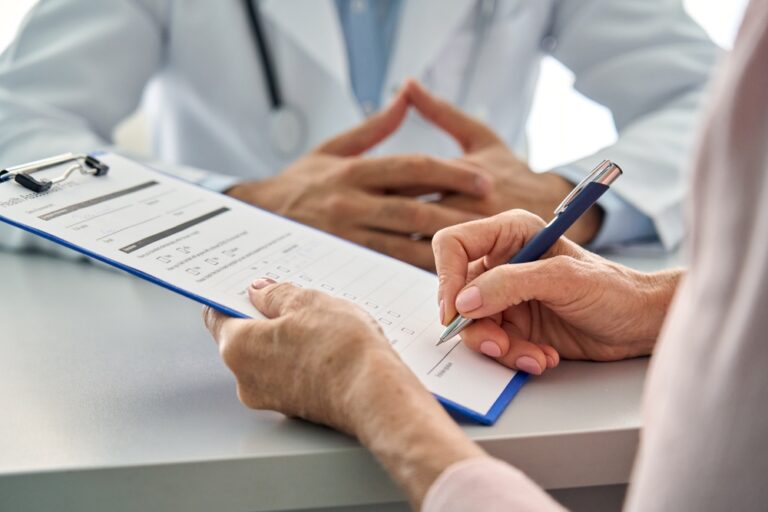
GPT Patient filling out a medical form while talking to a doctor.

Does Insurance Cover Varicose Vein Treatment?

You’re ready to get your varicose veins treated but are concerned about the cost. Before you make an appointment, you may want to know if varicose vein treatment is covered by insurance. How much will your insurance plan cover, and how much will you pay out-of-pocket? And if it isn’t covered, how much does varicose […]

Read More
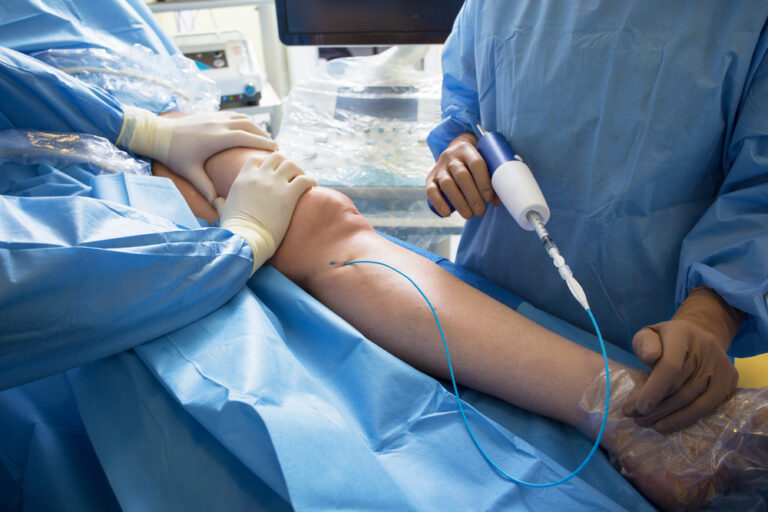
A pair of vascular surgeons performing surgery on a patient's leg with a vascular related issue.

What Is a Vascular Surgeon?

A vascular surgeon specializes in treating disorders of the vascular system, which includes the blood vessels, arteries, and veins throughout your body. If you experience symptoms like pain, swelling, or numbness in your legs and arms, it may be time to consider a consultation with a vascular surgeon.  Understanding the Role of a Vascular Surgeon […]

Read More
A woman touching her legs with varicose veins in a bedroom.

When Should I Start to Worry About Varicose Veins?

If you have varicose veins or experience symptoms like heaviness, cramping, itching, or leg pain, you may wonder when to worry about varicose veins. Are varicose veins harmful? What are the risks of varicose veins that you should worry about?  Managing varicose veins proactively is one of the best ways to prevent complications. Here’s what […]

Read More
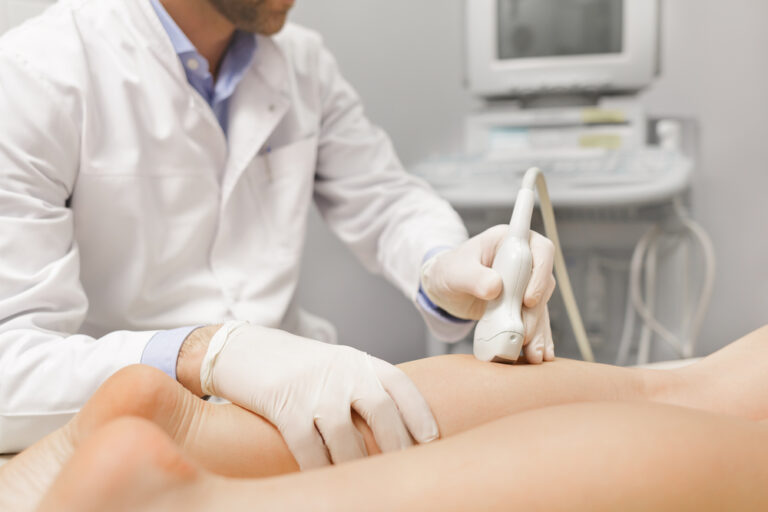
A vascular surgeon using a medical device on a patient with varicose veins.

What Kind of Doctor Treats Varicose Veins?

When you have varicose veins and are thinking about treatment, one of your first questions will probably be what kind of doctor treats varicose veins. This is important to know as there are plenty of choices to consider.  However, when it comes to the best varicose vein doctor, you’ll want to choose a vascular surgeon. […]

Read More
Legs and feet of a family of three.

Are Varicose Veins Genetic or Hereditary?

Your grandma gave the best hugs and always made the most delicious apple pie. She had so many good qualities you remember about her, but you might also remember the purple and blue varicose veins that covered her legs. A question on your mind might be, if your grandmother and mother had varicose veins, would […]

Read More
A doctor's hands holding a pen and a vial of blood.

Can Varicose Veins Cause Blood Clots?

The flow of blood throughout the body is an essential and delicate system responsible for nourishing tissues from head to toe. Any threat to regular blood flow has the potential to disrupt normal activities, cause pain, or create critical health issues. While varicose veins are enlarged, twisted veins resulting from malfunctioning vein valves, blood clots […]

Read More
A woman sitting on a bed and touching her legs that have varicose veins.

What Are the Stages Of Varicose Veins and Vein Disease?

Varicose veins are known as being unsightly, often bulging veins that may be blue or purple, and are often located in the lower extremities. While sometimes they’re just a cosmetic complaint, varicose veins can become uncomfortable and even painful. For some, they can eventually have more serious consequences that require medical attention.  How do varicose […]

Read More
A woman sitting on a chair and touching her foot.

How to Prevent Varicose Veins: Tips and Expectations

While you can’t change the genetic factors that predispose you to have varicose veins, there are many actions you can take that can help prevent existing varicose veins from getting worse. To motivate you, the same lifestyle habits that can help prevent varicose veins will improve your health in a variety of other ways.  What […]

Read More
A person touching their leg that has spider veins.

Do Spider Veins Go Away on Their Own?

If you have purple, red, or blue spider veins on your legs or other parts of your body, you may hope they go away on their own. But is it possible for them to heal over time? Can spider veins go away on their own? Or do you need treatment? There are some ways to […]

Read More
A pregnant woman sitting and touching her leg that has varicose veins

Varicose Veins During Pregnancy: What to Know

Varicose veins are common during pregnancy because of increased pressure on the circulatory system and poor blood flow. Unlike other types of vein conditions, varicose veins during pregnancy tend to resolve on their own within a few weeks to months after delivery.  If you are currently struggling with varicose veins or want to know how […]

Read More
A woman putting compression socks on her legs

How Long Should You Wear Compression Socks?

Compression socks are used in compression therapy, a non-invasive treatment that helps manage the symptoms of poor blood circulation in the legs. Compression therapy uses snug-fitting socks or stockings to put pressure on the legs to improve blood flow. This is often a recommended first step in managing uncomfortable symptoms such as swelling, heaviness, or […]

Read More