

You may have seen claims online that red light therapy for varicose veins can shrink bulging leg veins or improve circulation without medical treatment. Wellness influencers promote handheld devices or LED panels as natural solutions. Some even suggest that red light therapy for varicose veins can make visible veins disappear entirely. But if you’re dealing with painful, swollen legs or visible veins that won’t go away, it’s important to understand what red light therapy can and cannot do.
How Red Light Therapy Is Intended to Work on Veins
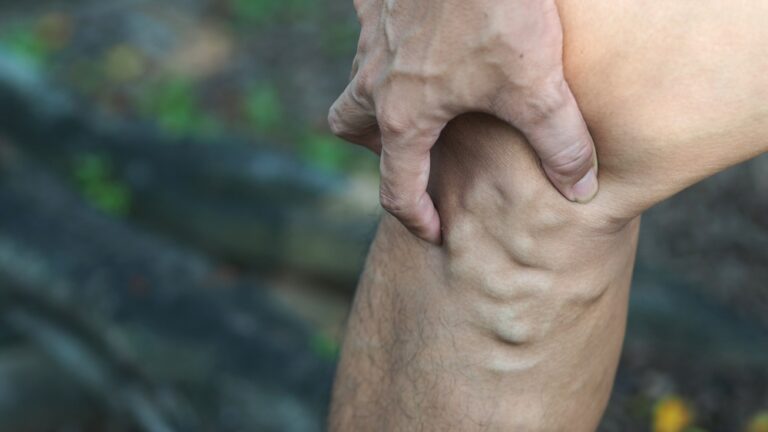
Varicose veins are more than a cosmetic issue. They can be a sign of venous insufficiency, a type of venous disease caused by faulty vein valves. When these valves do not work properly, blood has trouble flowing back to the heart and instead pools in the legs. This increases pressure inside the veins and can lead to visible bulging veins, leg aching, heaviness, swelling, skin changes, and, in more severe cases, bleeding or leg ulcers.
Red light therapy, also called low-level light therapy (LLLT) or photobiomodulation, uses red or near-infrared light applied to the skin. The light reaches shallow tissues beneath the skin and is thought to affect how cells function, including how they produce energy and respond to inflammation. This may lead to temporary changes in blood flow and discomfort.
Supporters of red light therapy for varicose veins suggest these effects may:
- Improve local circulation
- Reduce inflammation in nearby tissues
- Ease symptoms such as aching or heaviness
- Support overall skin health
This idea is not entirely without basis. Red light therapy has been studied for other uses, such as wound healing, musculoskeletal pain, and certain inflammatory conditions. Some people extend these findings to venous disease, suggesting it might help strengthen vein walls or improve valve function.
Once these valves fail, they do not repair or regenerate. External light therapy does not restore valve function or correct the underlying structural problem that causes varicose veins.
What Research Actually Says About Its Effectiveness
Medical research does not show that red light therapy can treat or reverse varicose veins. Most studies focus on surface effects, such as temporary pain relief or minor swelling reduction, not on fixing the underlying problem, damaged vein valves and poor blood flow.
To date, research has found:
- No evidence that red light therapy repairs faulty vein valves
- No proof that it reduces varicose vein size or corrects abnormal blood flow
- No support for its use as a standalone treatment for venous disease
Red light therapy may provide short-term symptom relief, which may explain why some people feel better temporarily. However, symptom relief does not mean the vein disease has been treated.
Claims about red light therapy for spider veins are also unsupported. Spider veins require direct treatment. Red light therapy does not target the vein or correct the cause.
Because effective medical treatments must produce consistent, repeatable results, red light therapy does not meet the standard for treating varicose veins, spider veins, or chronic venous disease.
Benefits You May Notice—and What’s Overstated
Some people who use red light therapy report mild, short-term benefits, such as:
- Less leg discomfort
- Temporary improvement in heaviness or fatigue
- A subjective improvement in skin appearance
These effects are likely related to temporary changes in blood flow or how nerves respond to stimulation. They do not reflect structural changes or repair within the veins themselves. So, is red light therapy good for varicose veins? It depends on what you expect it to do.
What is often overstated are claims that red light therapy can:
- Repair damaged vein valves
- Eliminate varicose veins
- Stop venous disease from progressing
- Replace medical treatment
Venous insufficiency tends to worsen over time if left untreated. While symptoms may come and go, temporary comfort should not be mistaken for effective treatment.
Red light therapy may be used as a supportive wellness option for symptom relief, but it is not a treatment that corrects the underlying cause of venous disease.
Risks, Limitations, and When It Won’t Help
Red light therapy is generally low risk, but its main limitation is that it can delay proper diagnosis and treatment.
It is not effective when:
- Veins have significant venous reflux (when damaged vein valves allow blood to flow backward and pool in the legs)
- Symptoms are persistent or worsening
- Skin changes, such as darkening or eczema, are present
- There is a history of bleeding, ulcers, or blood clots
In these cases, relying on non-medical therapies can allow vein disease to progress and increase the risk of complications.
People with photosensitivity disorders or active cancer should also consult a healthcare professional before using light-based therapies.
Most importantly, red light therapy does not replace diagnostic ultrasound, the gold standard for detecting venous reflux and determining the right treatment.
When to Consider Proven Treatments Instead
Unlike wellness therapies that only ease symptoms, modern vein treatments eliminate venous reflux. These minimally invasive, ultrasound-guided procedures are performed on an outpatient basis with little to no downtime.
Evidence-based treatment options include:
- Endovenous thermal ablation (ClosureFast™): Uses controlled heat to seal the diseased vein so blood is redirected to healthy veins.
- Medical adhesive closure (VenaSeal™): Closes the vein without heat and typically requires fewer numbing injections.
- Sclerotherapy: Treats smaller varicose veins and spider veins by collapsing the vein with an injectable solution.
- Varithena™: A foam sclerotherapy option designed for larger, twisted veins.
- Phlebectomy: Removes large surface varicose veins through tiny puncture sites.
These treatments close or remove damaged veins, restore healthy circulation, relieve symptoms, and slow disease progression.
Lifestyle steps like compression stockings, exercise, weight management, and good nutrition can help relieve symptoms, but they do not fix the underlying problem. Without treatment, vein disease often worsens over time and can lead to pain, skin changes, bleeding, and ulcers.
Effective treatment matters because it corrects faulty vein valves, something non-medical options cannot do.
Making an Informed Decision About Vein Care
Red light therapy may provide temporary comfort, but there is no medical evidence that it treats varicose veins or venous insufficiency. It does not repair damaged valves or stop the condition from progressing.
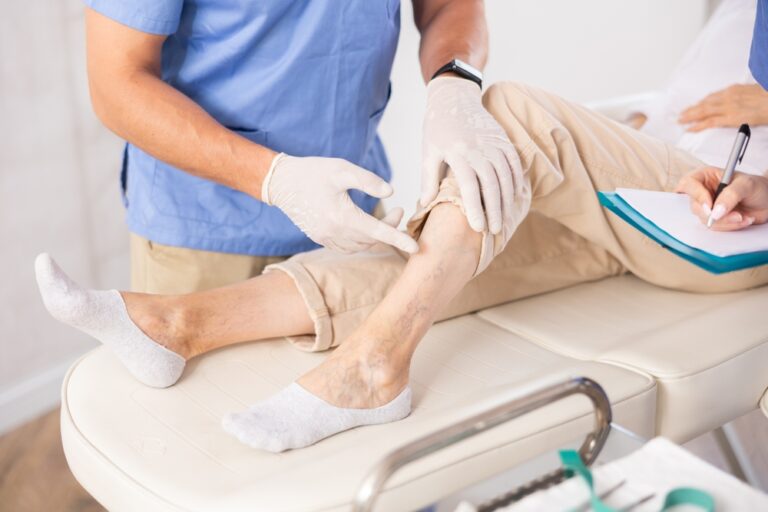
If you have ongoing leg pain, swelling, visible veins, or skin changes, a medical evaluation is important. A vein specialist can identify the cause and recommend treatments that address the problem, not just the symptoms.
At Empire Vein & Vascular Specialists, our board-certified physicians provide advanced, minimally invasive vein care focused on long-term results. We offer comprehensive vascular care across multiple Southern California locations and accept most insurance plans, including Medicare, PPOs, HMOs, and IEHP. Our practice is IAC-accredited.
If varicose veins are affecting your comfort or mobility, schedule a consultation by calling 1.800.VARICOSE or visiting our website to take the next step toward healthier legs.