


Varicose veins, explained
What are varicose veins?
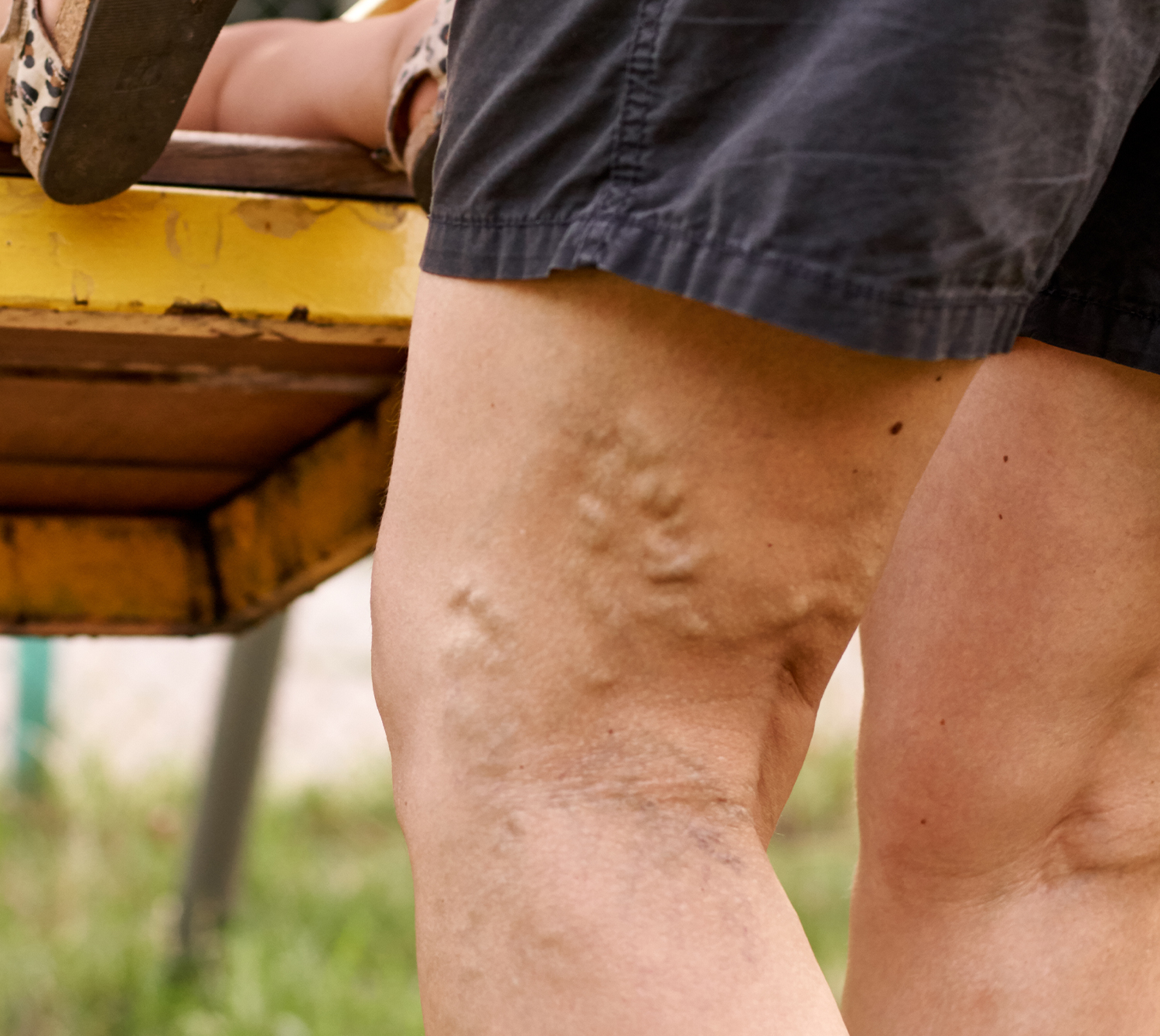
They’re enlarged, twisted veins, usually in the legs, that form when the tiny one-way valves inside stop closing. Blood that should travel up toward the heart leaks backward and pools instead. Doctors call this venous reflux. The trapped blood stretches the vein wall until it bulges. It’s a common, progressive condition, and a very treatable one. Here’s that mechanism up close.
How they form
Valves weaken. Tiny one-way valves keep blood moving up your legs toward the heart. With age, pressure, or genetics, they stop closing fully.
Blood flows backward. When a valve leaks, blood falls back down and pools in the vein. Doctors call this venous reflux, or chronic venous insufficiency.
The vein bulges. That extra pressure stretches the vein wall until it enlarges, twists, and pushes toward the surface as a varicose vein.
The cause beneath the surface
Often a sign of venous reflux disease
Most varicose veins are the visible sign of venous reflux disease, also called chronic venous insufficiency, or CVI. The one-way valves inside your leg veins stop closing, so blood leaks backward and pools instead of flowing up toward the heart. That trapped pressure is what pushes a vein to bulge to the surface.
It’s also why lasting treatment targets the faulty vein at the source, not just the bulge you can see. Once that vein is closed, blood simply reroutes into nearby healthy veins, and the pressure driving your symptoms comes down.
You can have reflux without obvious veins. Aching, swelling, heaviness, or skin changes with little bulging to show can still mean reflux underneath. A quick, painless ultrasound is the only way to know for sure.
Signs & symptoms
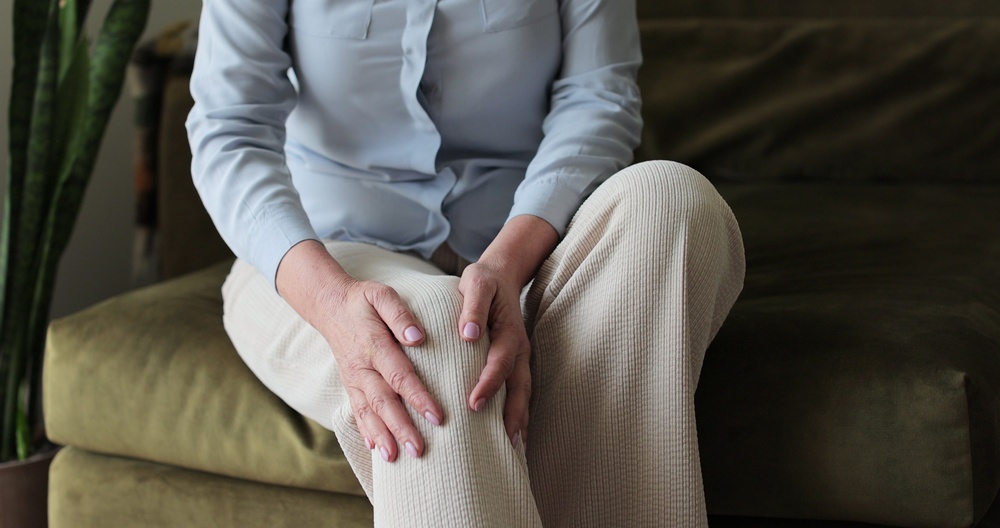
Varicose veins look different from person to person, and they often feel like more than they look.
What you can See
What you can Feel
Over time you Notice
Symptoms often ease when you raise your legs and get worse after standing a long while. That pattern is a telltale sign your veins are the cause.
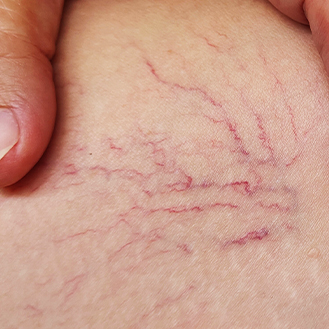
Do your veins look like this?
Those may be spider veins: fine, web-like threads that sit right at the skin's surface. They're often cosmetic, but can share the same root cause as varicose veins. See how we treat them.
Who's most at risk
Anyone can develop varicose veins, but some things make them more likely. Several of these you can't change, so if veins run in your family, early screening simply makes sense.
Having a risk factor doesn't mean you'll get them, and not having one doesn't rule them out. If you're noticing symptoms, that's the real signal to get checked.
Family history
Age
More common in women
Pregnancy
Standing or sitting all day
Excess weight & inactivity
Vein disease doesn’t stand still
Left unchecked, it advances slowly and quietly, and each stage is harder to reverse than the one before. Here’s how it typically progresses.
Aching & heaviness
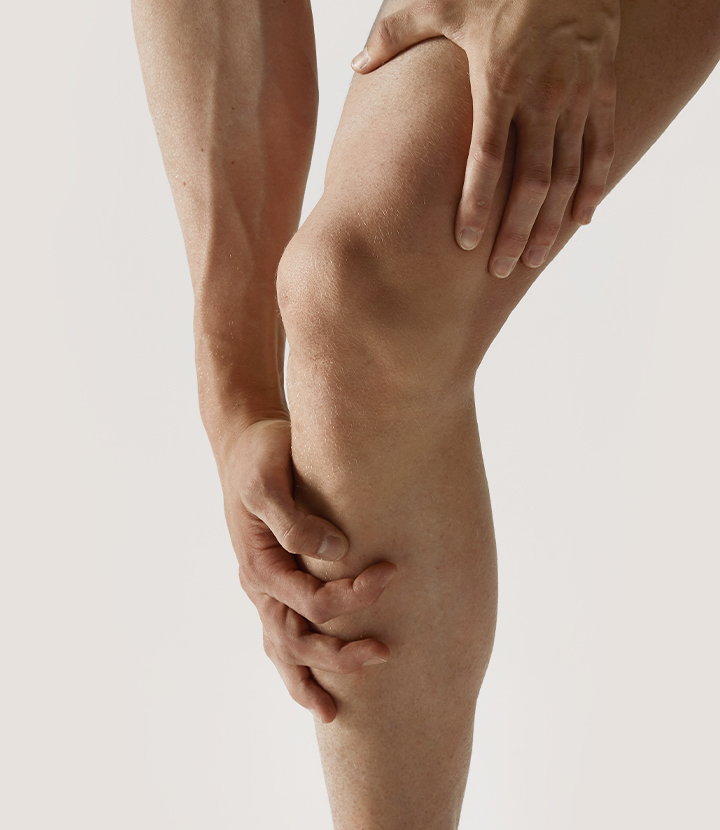
Legs feel tired, heavy, or restless by evening, sometimes with mild ankle swelling. Easy to brush off, but often the first sign of vein reflux.
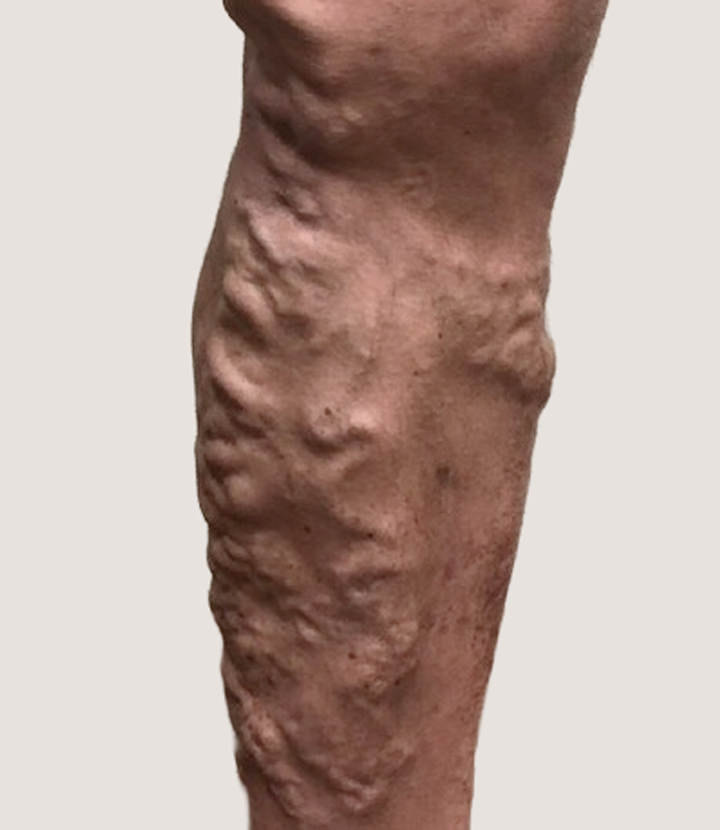
Visible veins
Bulging varicose veins or web-like spider veins surface as swelling becomes more noticeable. This is when most people first seek answers.
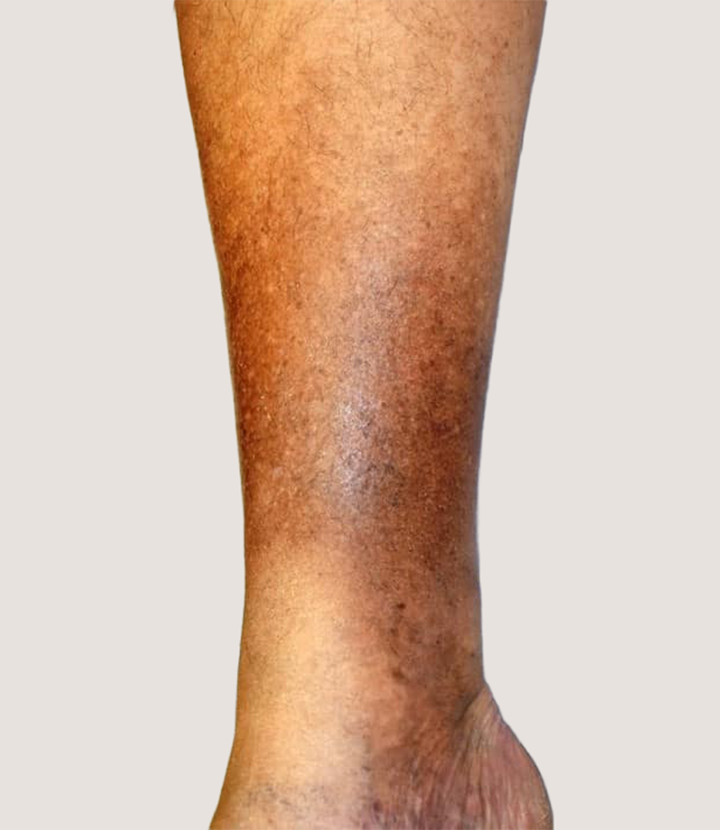
Skin changes
Skin near the ankle darkens, itches, or feels firm and dry as pressure builds. A clear signal the condition is advancing and worth evaluating.
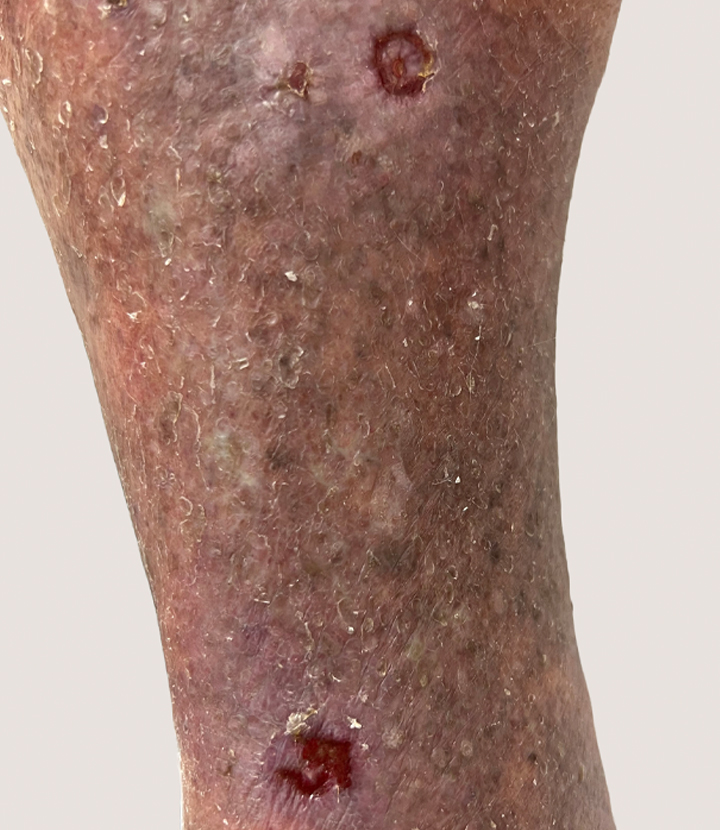
Wounds & ulcers
Slow-healing sores can open near the ankle, often tender and quick to return. The most advanced stage, yet still treatable with the right care.
Most patients we see are still in stage 1 or 2, when treatment is typically quick, minimally invasive, and recovery is easiest.
How we diagnose them
Finding the leaking valve, not just the visible vein, is what makes treatment last.
Free vein screening
A quick, no-obligation visit where a specialist looks at your legs and listens to your symptoms.
Duplex ultrasound
A painless scan in our accredited vascular lab maps your blood flow and pinpoints any leaking valves.
A personalized plan
We explain exactly what we found and which treatment fits, and we verify your insurance before anything is scheduled.
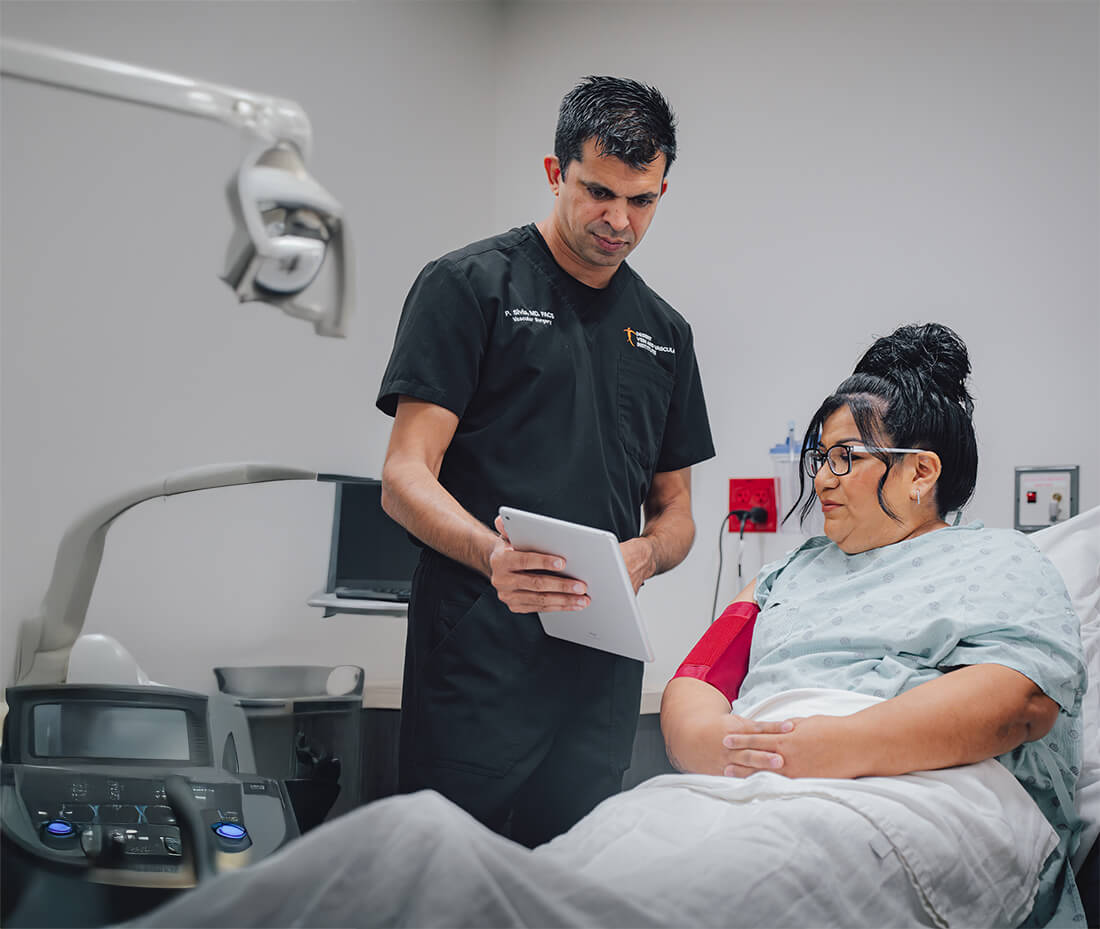
How we treat varicose veins
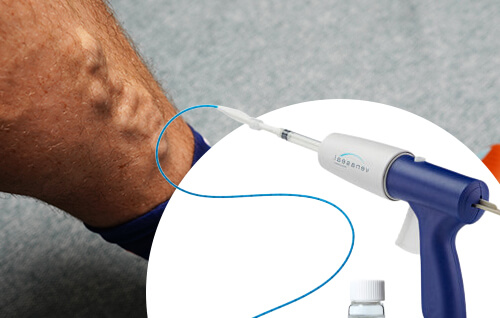
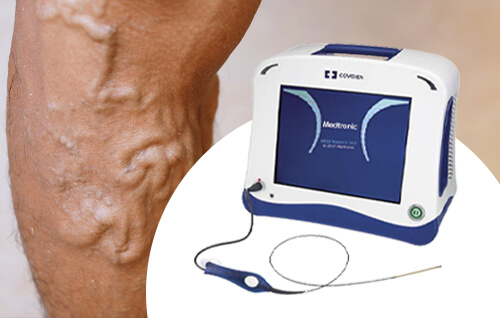
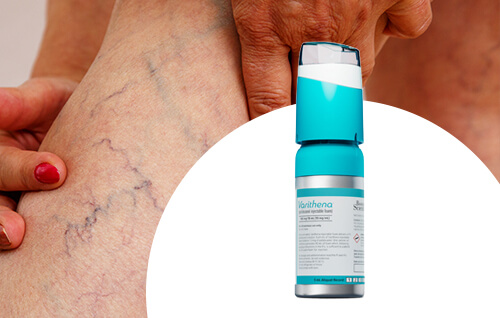
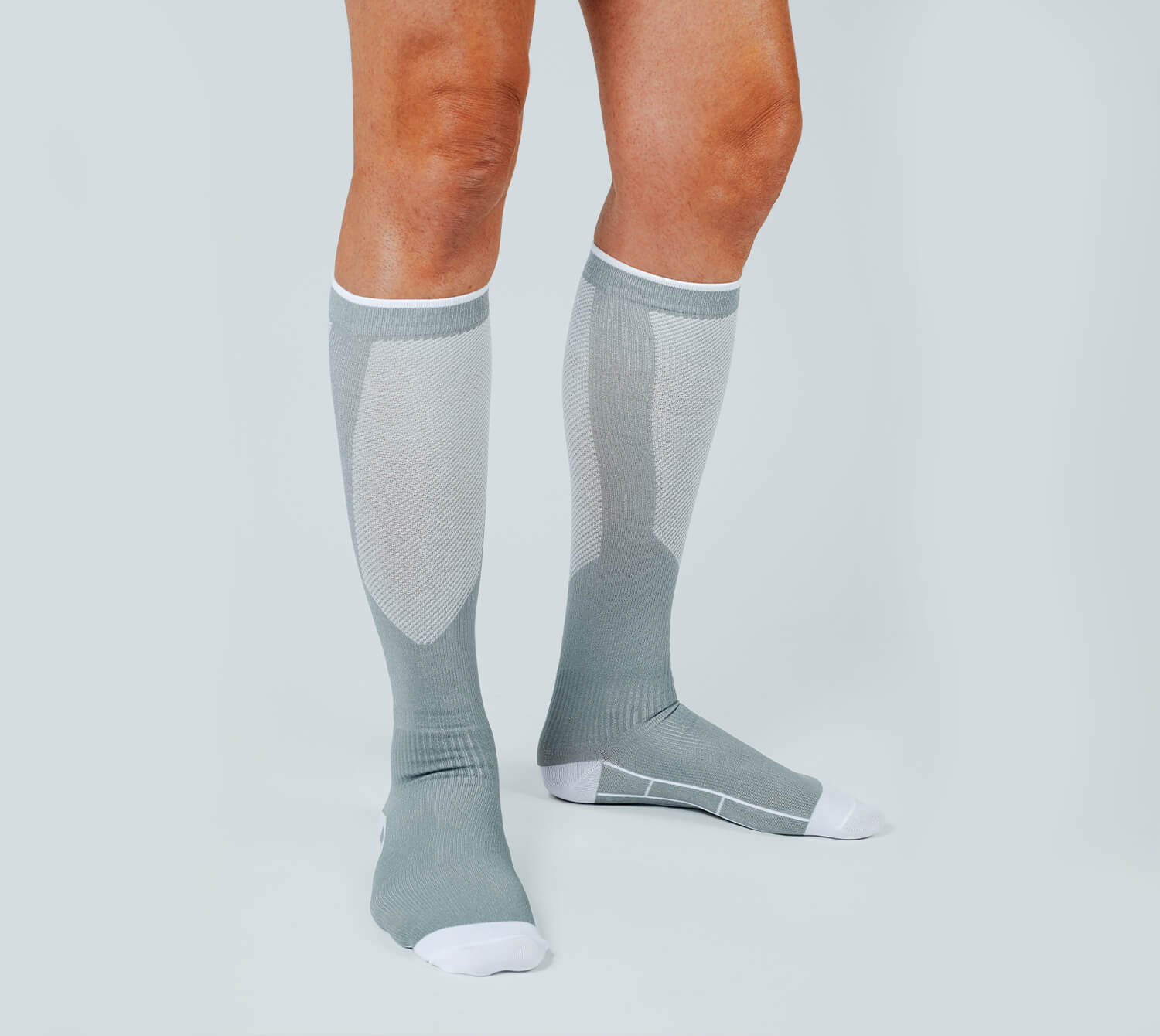
There's no one-size-fits-all fix. We match the approach to your veins, often combining a closure for the source vein with a surface treatment. Explore each below.
Varicose vein questions, answered
The things patients ask us most before getting started.
Most aren't an emergency, but they're rarely “just cosmetic.” They're often a sign of underlying venous reflux that tends to progress, and if left alone for years can lead to skin changes, swelling, bleeding, or slow-healing leg ulcers. A quick screening tells you where you stand.
No. The faulty valve that causes them doesn't repair itself, so varicose veins tend to stay and slowly worsen over time. The good news is that today's treatments are quick, done in the office, and close the vein so it stops causing problems.
Today's vein treatments are done in the office through a tiny pinpoint or fine needle, with local numbing. Most patients feel little more than a pinch, walk out the same day, and return to normal activity right away, often with just a week of compression stockings.
Often, yes. When your veins cause symptoms like aching, swelling, or skin changes, treatment is usually considered medically necessary and covered, including by Medicare. After your free screening we verify your benefits and explain any cost up front.
It depends on which veins are involved and what your ultrasound shows. Many patients need a closure procedure for the underlying vein, sometimes paired with sclerotherapy or phlebectomy for surface veins. Your specialist builds the plan with you at your visit.
Some people live with them comfortably for years. But because the underlying pressure doesn't go away, symptoms and skin changes can build gradually. Treating earlier is usually simpler, and can prevent the complications that come with advanced vein disease.
Related reading
Doctor-reviewed articles on leg symptoms, vein health, and staying ahead of vein disease.


Insurance
When your veins cause symptoms like aching, swelling, or skin changes, treatment is typically considered medically necessary, including under Medicare. We'll help you verify your benefits.
Most major plans accepted





Locations
Care close to home across the Inland Empire, High Desert, and Coachella Valley. Every office has on-site ultrasound.
High Desert
Coachella Valley
Find out what's behind your veins.
Start with a free vein screening: a quick visit, clear answers, and a plan at any of our 6 Southern California offices.